Around this time each year, a familiar story makes the rounds: hemp crossed the Atlantic on the Mayflower, grew in the Pilgrims’ fields and maybe even showed up at the first Thanksgiving. Cannabis fans love the story. The problem is that most of it doesn’t hold up once you check the record.
Hemp really did matter in early America, just not in the places, or the ways, the holiday version suggests. Here’s how five of the most common claims hold up.
What the Record Actually Shows
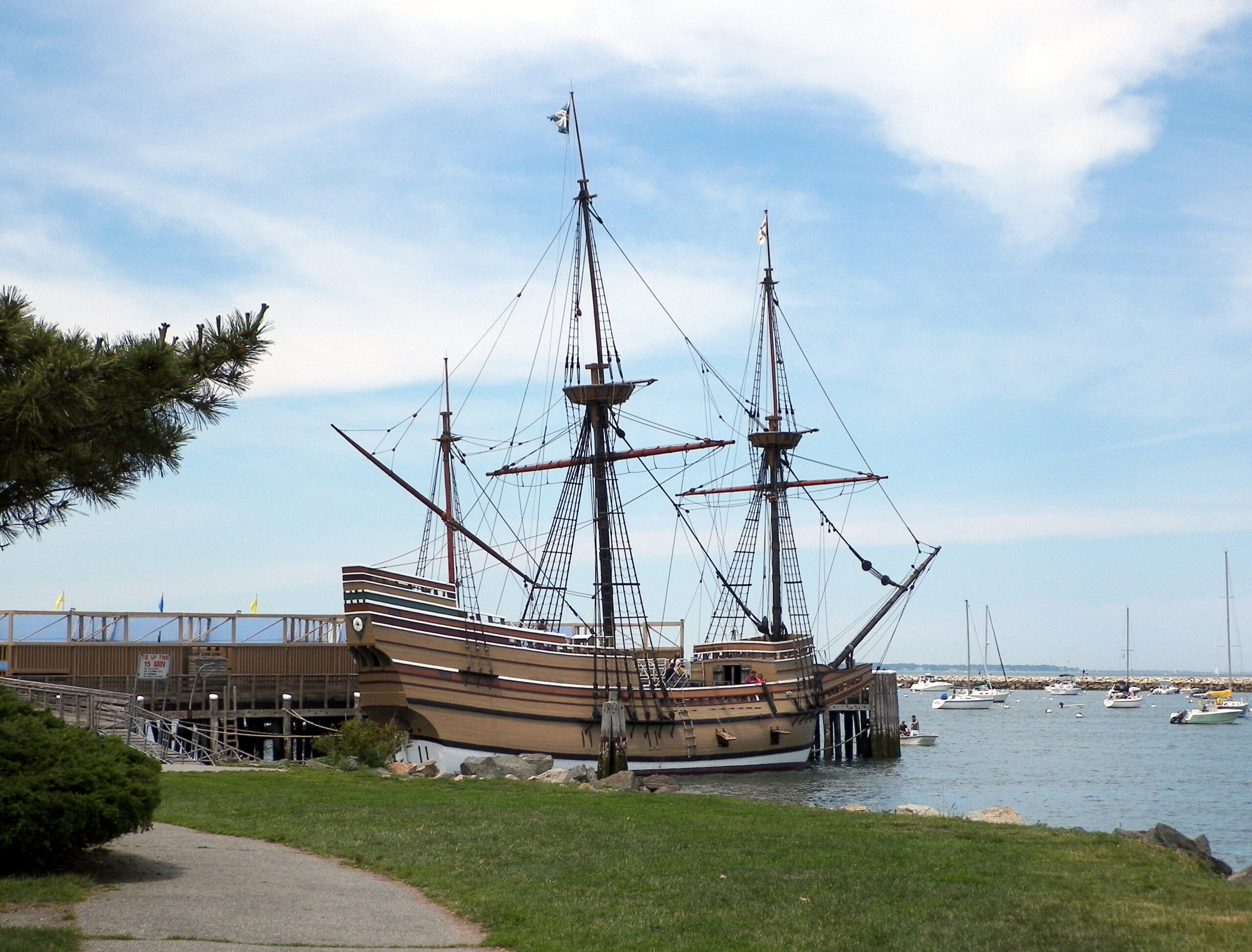
The Mayflower II, a full-size replica of the ship that carried the Pilgrims in 1620, docked in Plymouth, Massachusetts.PHOTO Rhonda McCloughan / Wikimedia Commons, CC BY-SA 4.0
Myth 1: The Mayflower sailed on hemp sailsVerdict: Half trueIn the colonial era, rope was usually made from hemp, since its fibers outlast the shorter fibers of flax, and ships’ rigging traditionally used hemp line. So the Mayflower’s ropes could easily have been hemp. The sails are another story: The Pilgrim John Howland Society says they were probably flax canvas, possibly hemp, and that there’s no way to know for sure.
Myth 2: The Pilgrims grew hemp at PlymouthVerdict: No evidencePlimoth Patuxet Museums says the colonists’ main crop was corn, along with beans, pumpkins, wheat, barley, oats, peas and kitchen-garden vegetables. Hemp isn’t on the list. It did later spread through the colonies as far north as New England, according to Colonial Williamsburg, but nothing suggests it mattered to the Pilgrims in Plymouth’s early years.
Myth 3: Cannabis was at the first ThanksgivingVerdict: No evidenceOnly one eyewitness account of the 1621 harvest celebration survives, and it names just two foods: venison and wildfowl. It says nothing about hemp or smoking. More broadly, Colonial Williamsburg found no evidence that colonists used hemp to get high.
Myth 4: George Washington grew hemp to get highVerdict: No evidenceThis one usually traces back to a remark in which Washington regretted not separating his male and female hemp plants, which some read as proof he was after buds. Colonial Williamsburg explains the real concern was fiber: once female plants are pollinated and go to seed, they produce coarser, less valuable fibers. It was a farming slip, not a clue about his habits.
Myth 5: The Declaration of Independence was written on hempVerdict: False, as far as historians knowThis one isn’t about Thanksgiving, but it comes up all year. Monticello, Thomas Jefferson’s home and museum, says that as far as historians know, it isn’t true. According to the National Archives, the signed Declaration was handwritten on parchment.
Where Hemp Really Mattered: Virginia
The real hemp story happened farther south. In 1619, at its very first session, Virginia’s General Assembly passed laws encouraging colonists to plant several crops, including hemp. By 1632, the colony had gone further and ordered every planter to get flax and hemp seed and plant it.
Over the next