
To be honest, history classes were never really my thing. In college, I was more drawn to subjects like English, journalism, and social sciences. However, I always had a feeling that I would eventually develop a deep passion for history. And that’s exactly what happened. It all started with watching sprawling Ken Burns documentaries, then listening to smart history podcasts, and finally being blown away by Lin-Manuel Miranda’s musical theater masterpiece “Hamilton.” Even though I spent my 20s in rock clubs and my 30s studying drug policy, I now find myself in my 40s going back to explore the historical roots of these subjects and others. Like many before me, I have come to realize how thrilling it can be to understand history and how crucial it is to fully comprehend the present and predict the future.
One aspect of history that has captured my interest is the history of cannabis. From ancient Chinese relics to the Anslingers and DeAngelos of the world, the story of cannabis is a fascinating one. However, many modern cannabis consumers are not aware of this rich history. So, let me take this opportunity to give you a lively lesson on three figures in cannabis history that you may not know.
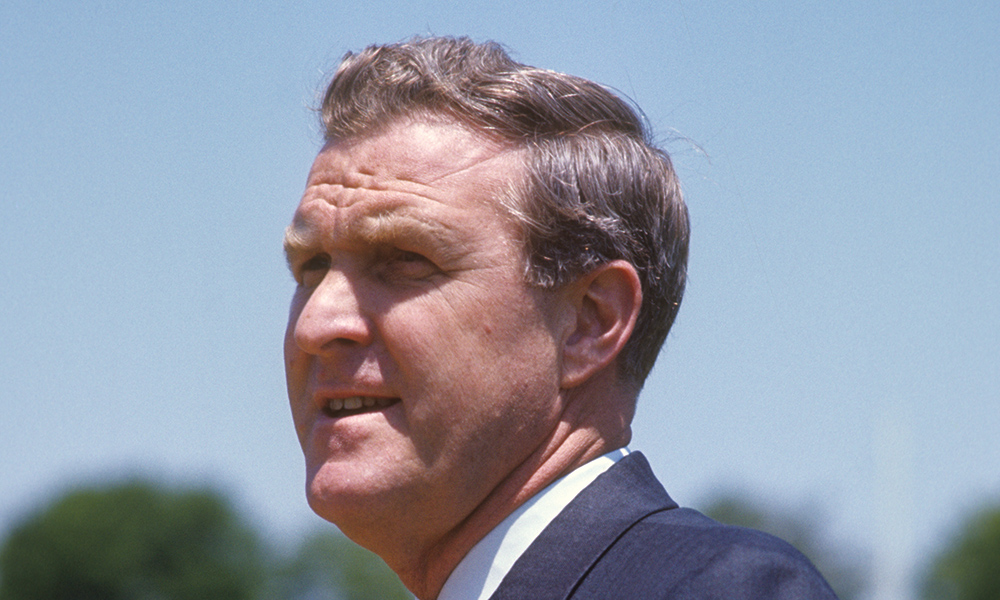
First, let’s talk about Raymond P. Shafer. He was the 39th Governor of Pennsylvania, serving from 1967 to 1971. Before becoming a national GOP leader, Shafer had an impressive resume. He was an Eagle Scout, high school valedictorian, Yale Law graduate, naval intelligence officer, World War II veteran, and Purple Heart recipient. After his term as governor, Shafer was appointed by President Richard Nixon as the chairman of the National Commission on Marijuana and Drug Abuse, also known as the Shafer Commission.
The timing of this appointment was significant, as Nixon was at the peak of his anti-marijuana hysteria. He had just signed the Controlled Substances Act, which temporarily classified cannabis as a Schedule I drug, in anticipation of the Shafer Commission’s report. However, when the report, titled “Marihuana, a Signal of Misunderstanding,” was presented to Congress in March 1972, it recommended descheduling and decriminalizing cannabis. This was a groundbreaking recommendation, and advocates for drug policy reform were thrilled. Unfortunately, Nixon and important congressional subcommittees ignored the report and continued with the War on Drugs, which disproportionately targeted people of color and ruined countless lives.
Next, let’s talk about Margaret Mead. She was an author and cultural anthropologist known for her groundbreaking research on the role of sex in primitive cultures and the debate surrounding race and intelligence. Before becoming an internationally renowned academic, Mead was the daughter of a sociologist and a professor at the University of Pennsylvania. She received her masters and doctorate from Columbia University and worked as an assistant curator at the American Museum of Natural History.
Mead’s work challenged traditional beliefs and sparked important discussions about cultural norms and societal expectations. She was a pioneer in her field and continues to be a source of inspiration for many.
Finally, let’s talk about Ronald Dale Carr. He was a journalist and author who played a significant role in the fight for cannabis legalization. Carr was a reporter for the New York Times and covered the Vietnam War, the civil rights movement, and the Watergate scandal. In the 1970s, he became interested in the cannabis legalization movement and wrote several articles and books on the subject.
Carr’s most notable contribution to the cannabis movement was his book “The Grass: The History of Marijuana.” Published in 1978, the book was one of the first comprehensive histories of cannabis and its prohibition in the United States. It shed light on the racist and political motivations behind the criminalization of cannabis and helped to shift public perception of the plant.
In conclusion, these three figures may not be as well-known as some other historical figures, but their contributions to the history of cannabis are significant. They each played a role in challenging the status quo and advocating for change. As we continue to learn more about the history of cannabis, it’s important to recognize and honor those who have paved the way for us.