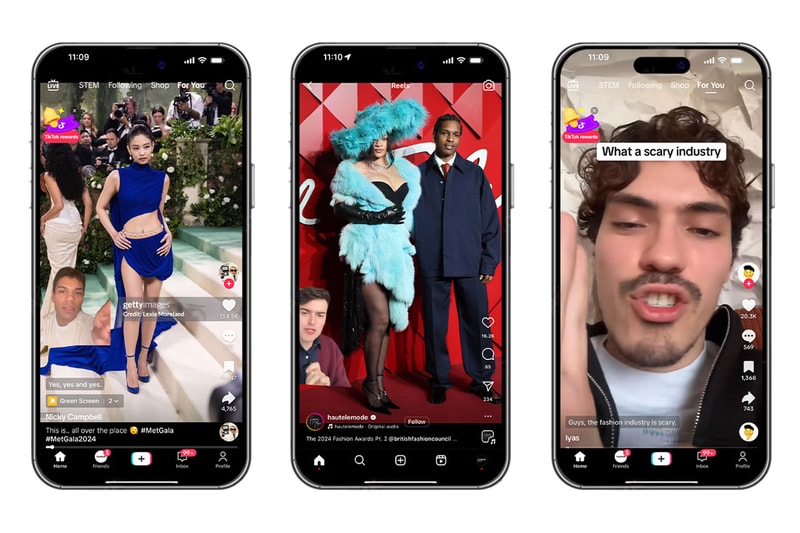
ine to be a part of a “very important” fashion project. “I was like, ‘I’m not going to do it if I can’t be honest,’” he said.
“OUCH!”
The Met Gala: A Playground for Fashion Criticism
The fashion world was abuzz with opinions and critiques after this year’s Met Gala, and the industry’s biggest names didn’t hold back. The New York Times’ chief fashion critic, Vanessa Friedman, described Kim Kardashian’s corseted Maison Margiela dress as “awfully painful” in an interview with Imran Ahmed on The Business of Fashion Podcast. Meanwhile, Dazed’s fashion features director, Emma Davidson, questioned the lack of representation for women and people of color in the designer lineup for the event on the British magazine’s website. And even the deadpan social media pundit, Nicky Campbell, couldn’t resist commenting on the event, calling Burberry-clad Barry Keoghan “weird” and admitting to being “obsessed” with him on TikTok.
But this is just a small taste of the vast world of fashion criticism in 2024. With the rise of social media and digital platforms, it’s easier than ever to engage with the industry’s latest trends and controversies. But beyond the fun and entertainment, fashion criticism is a serious business. Even the biggest players in the industry must sometimes compromise their opinions for the sake of brand partnerships and financial stability.
Publishers strike advertising deals with the brands they report on, editors consider their relationships with brands before offering critiques, and content creators often receive hefty paychecks from labels for sitting in the front row. With brands essentially bankrolling the voices and platforms that talk about them, the ability to speak the truth may be a luxury in itself.
Self-taught fashion commentator and stylist, Kim Russell, also known as @thekimbino, compares the current state of fashion criticism to being imprisoned. She’s not afraid to speak her mind, whether it’s praising Rihanna’s Christian Lacroix dress or criticizing the fall of Gucci. However, she’s well aware of the potential consequences of her honesty, especially for newer faces in the industry. But she believes that if enough people speak up, brands will have no choice but to listen.
Lyas, from Interview magazine, may be one of those voices. He was recently approached for a “very important” fashion project, but refused to participate unless he could be completely honest. “I never thought it would be so punk to be honest, but somehow it is,” he said. It’s time for the fashion industry to embrace honesty and transparency, and for critics to have the freedom to speak their minds without fear of repercussions.