
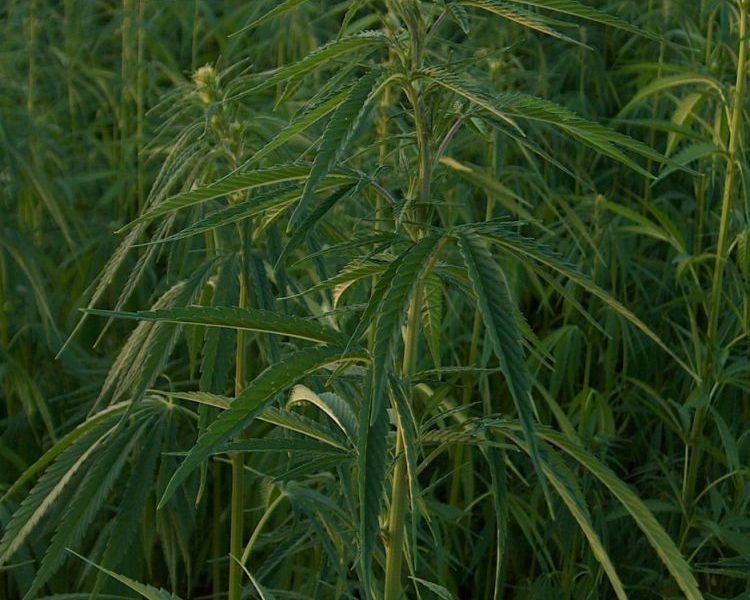
In today’s fast-paced world of breeding, original landrace and heirloom strains are often overlooked. Landrace strains are those that are native to a specific region, such as Red Congolese or Afghani Indica. Heirloom strains, on the other hand, were collected from around the world in the 1970s and cultivated in Hawaii and Northern California. However, the constant search for new and unique strains has led breeders to continuously cross and re-cross existing strains, causing many of these original strains to be lost.
Fortunately, there is a growing movement among cultivators to revive these old landrace and heirloom strains. These varieties range from pure African sativas to Afghani indicas, collected by travelers on the famous Hippie Trail, also known as the Hashish Trail. During the 1970s and early 1980s, cannabis enthusiasts from all walks of life traveled the world in search of the finest ganja and hashish. From Nepalese Temple Balls to Mazar I Sharif Afghani Black, the Hashish Trail was filled with exotic and potent strains. Other stops on this trail included Bangkok for Chocolate Thai, Lebanon for Red Lebanese, and Morocco for Kif. Many of these travelers also collected seeds from these landrace strains, which became the foundation for the emerging cultivation culture in Hawaii and Northern California.
Talking to those who remember these legendary strains will reveal tales of incredibly potent cannabis. In Hawaii, equatorial sativas from Africa and Vietnam thrived in the ideal growing conditions of the island. In Northern California, the cooler climate was better suited for indica strains from Afghanistan. I was fortunate enough to live on the Big Island of Hawaii from 1993-1997, and I can confidently say that the best cannabis I have ever smoked was grown in the volcanic soil on the slopes of Mauna Loa. However, by the time I arrived, most of the strains grown in Hawaii were no longer pure landrace strains, but rather a combination of genetics.
The scene in Northern California was slightly different. While Southern California could grow Colombian and Mexican sativas, the shorter, stockier indica plants were better adapted to the climate in Northern California. These plants had a shorter flowering time, allowing for harvest before the fall rains, which could cause mold. This resulted in the infamous “skunkweed” that became Northern California’s signature strain. Those who remember this cannabis will never forget its pungent, almost rancid skunk-like aroma. Yes, it really did smell like a skunk, and this unique characteristic was often highlighted in hipster journalistic writing styles, with space left between paragraphs for emphasis.