
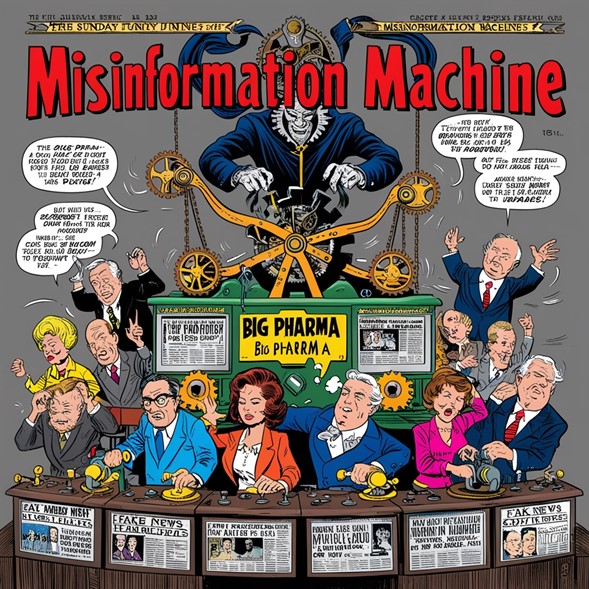
In the ever-evolving landscape of politics, there’s been a lot of buzz surrounding the buzzword “misinformation” and its equally menacing cousin, “disinformation.” It seems like every other day, we’re bombarded with news of politicians pushing for stricter regulations on free speech in order to combat these supposed threats to society.
But here’s the thing: these same politicians seem to have a major blind spot when it comes to their own track record of spreading falsehoods. And when it comes to the topic of cannabis, their hypocrisy is on full display.
In recent years, we’ve seen a surge in support for the legalization of cannabis, both for medicinal and recreational purposes. Yet, despite the growing body of evidence supporting its benefits, there are still those in power who cling to outdated and baseless claims about the plant.
Remember when former Attorney General Jeff Sessions famously declared that “good people don’t smoke marijuana”? Or when President Nixon declared a “war on drugs” that disproportionately targeted communities of color and perpetuated harmful stereotypes about cannabis users?
These are just a few examples of the blatant misinformation that has been spread by politicians in regards to cannabis. And while some may argue that these statements were made in a different time, it’s important to note that many of these same politicians continue to perpetuate these falsehoods today.
Take, for instance, the recent comments made by Senate Majority Leader Chuck Schumer, who claimed that cannabis is a “gateway drug” and that legalization would lead to an increase in crime. These claims have been debunked time and time again, yet they continue to be used as a justification for maintaining the status quo.
It’s clear that these politicians are more concerned with maintaining their own power and perpetuating outdated ideologies than they are with the truth. And in the process, they are actively hindering progress and perpetuating harmful stigmas surrounding cannabis.
So the next time you hear a politician preaching about the dangers of “misinformation” and “disinformation,” take a moment to reflect on their own history of