
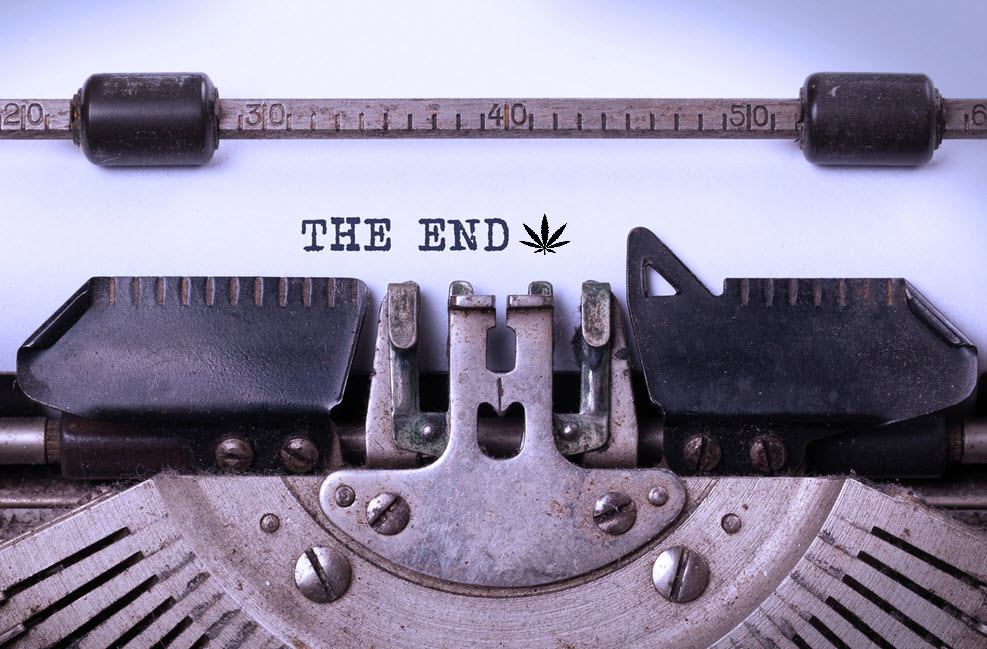
Let’s talk about cannabis, man. It’s been a hot topic lately, with all these states legalizing it and whatnot. And you know what’s really interesting? The whole “reefer madness” narrative that’s been shoved down our throats for decades is finally being exposed for what it truly is: a big, fat lie.
But wait, let’s back up a bit. For those who may not be familiar, the “reefer madness” narrative refers to the fear-mongering tactics used by prohibitionists to demonize cannabis and justify its criminalization. They painted it as a dangerous drug that would turn people into crazed, violent maniacs. Sound familiar?
Well, as we’ve seen with the legalization of cannabis in various states, these claims have been proven to be nothing more than a bunch of hogwash. And it’s about time, if you ask me.
But here’s the thing – these narratives didn’t just pop out of thin air. They were carefully crafted and strategically disseminated to shape public discourse and maintain the status quo of cannabis prohibition. And boy, did they do a good job at it.
For years, we’ve been bombarded with propaganda about the supposed dangers of cannabis. We’ve been told that it’s a gateway drug, that it causes mental illness, that it’s highly addictive, and the list goes on. But as more and more states legalize cannabis, these claims are being debunked left and right.
In fact, the process of legalization itself has revealed these narratives for what they truly are: deliberate deceptions. As people are given the opportunity to use cannabis legally and safely, they are realizing that it’s not the scary, life-ruining drug that they were led to believe.
And let’s not forget the racial and social implications of these narratives. The war on drugs, fueled by these lies, has disproportionately affected communities of color and perpetuated systemic racism. But now, as cannabis becomes legal and regulated, we are starting to see the dismantling of these unjust systems.
So, my fellow hipsters, let’s raise our artisanal, fair-trade coffee mugs to the debunking of these prohibitionist narratives. It’s time to embrace the truth and move