
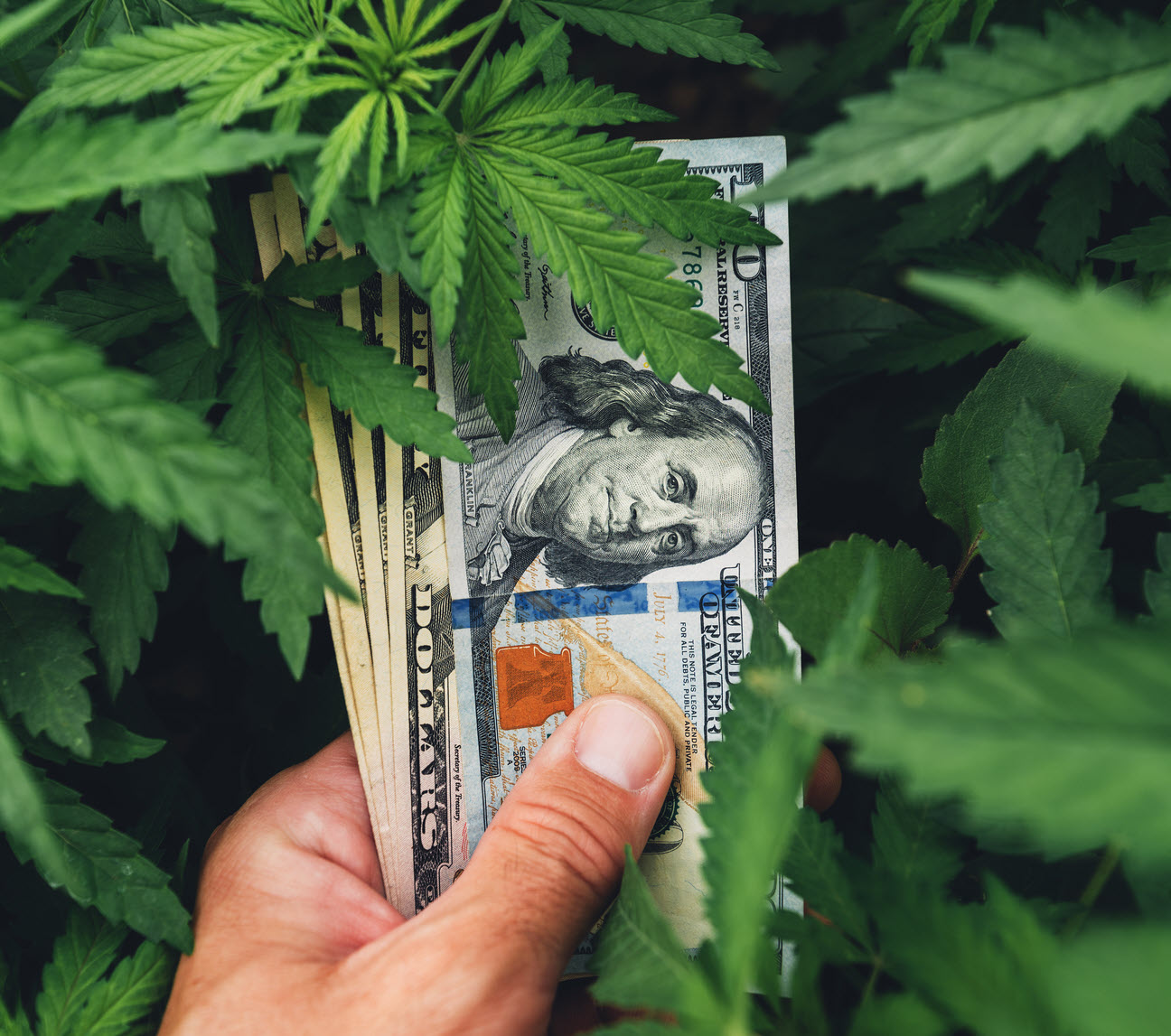
The global cannabis market is a wild and ever-changing landscape, my friends. And one of the most intriguing aspects of this green industry is the vast difference in prices from country to country. It’s like a rollercoaster ride for your wallet, with twists and turns that will leave you scratching your head and reaching for your stash.
So, what exactly influences these prices, you ask? Well, let me break it down for you. First and foremost, the legal status and regulations of cannabis play a major role. In countries where it’s still illegal, prices tend to be higher due to the risk involved in production and distribution. But in places where it’s been given the green light, prices can vary greatly depending on the regulations in place.
Supply and demand also have a major impact on cannabis prices. Just like any other product, when there’s a high demand and limited supply, prices tend to skyrocket. This is especially true in countries where cannabis is still illegal, as the black market can drive up prices due to its underground nature.
But it’s not just about demand, my friends. Production costs also play a significant role in determining the price of cannabis. Factors such as labor, equipment, and energy costs can all contribute to the final price tag. And let’s not forget about taxes and fees, which can add a hefty chunk to the overall cost.
Oh, and let’s not forget about exchange rates. For those of you who aren’t math whizzes, this basically means that the value of a country’s currency can affect the price of cannabis. For example, if the US dollar is strong, it may be cheaper for Americans to purchase cannabis in countries where the local currency is weaker.
But wait, there’s more! Other factors such as quality, potency, and strain can also influence the price of cannabis. Just like with any other product,