
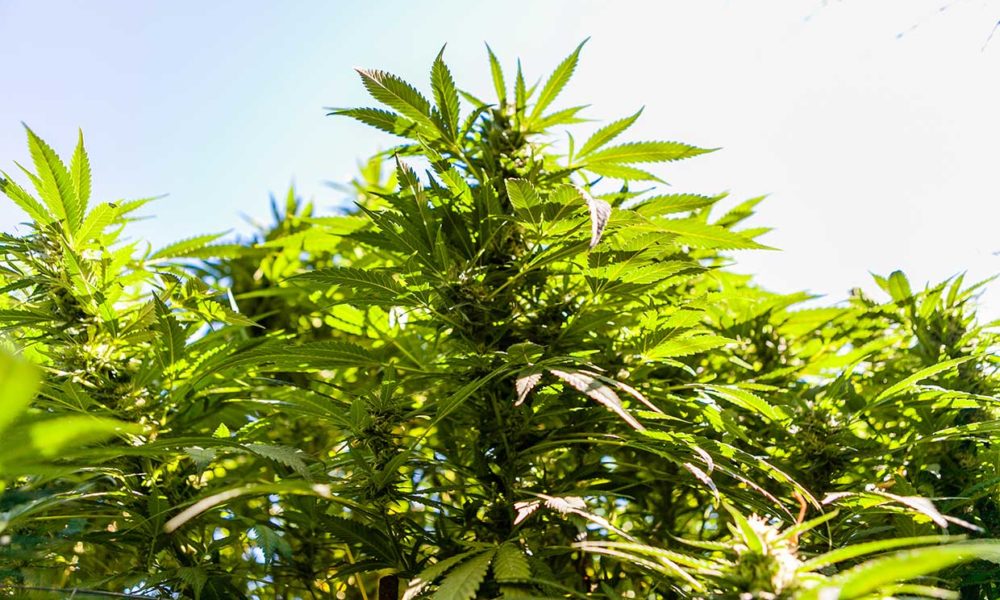
The rise of medical marijuana and the resulting green rush have sparked a widespread interest in extracting and isolating cannabinoids that are believed to have medicinal benefits. While cannabidiol (CBD) is often mistakenly seen as the “medical” counterpart to the psychoactive tetrahydrocannabinol (THC), the industry is now on the hunt for the next big cannabinoid with potential medical properties. One such cannabinoid that has caught the attention of industry pioneers like GW Pharmaceuticals is cannabigerol (CBG), a lesser-known compound that plays a crucial role in the production of other well-known cannabinoids. As the “stem cell” of cannabis, CBG is the first cannabinoid present in the plant and is converted into THC, CBD, and other cannabinoids by the time of harvest.
While most research on CBG has focused on its transitional properties in the development of the cannabis plant, its importance has sparked a surge of interest in its potential medical benefits. Studies have linked CBG to the treatment of various ailments such as glaucoma, cancer, Huntington’s Disease, pain, and nausea, leading to discussions about its potential in the industry. Like CBD, CBG has similar benefits but acts on different neurotransmitters. However, research on CBG is still in its early stages, with limited pre-clinical trials and animal studies providing more suggestions than concrete conclusions.
According to Paul Armentano, deputy director of NORML, there is a growing interest in clinical research on CBG. He believes that with the renewed focus on non-THC cannabinoids and their potential medical applications, there will be more emphasis on CBG and other non-euphoric inducing phytocannabinoids (cannabinoids derived from plants). However, researching the cannabis plant is a complex task due to the impact of prohibition on funding and the tendency to focus on isolated cannabinoids rather than their collective effect. Just as nutritionists advocate for whole-plant foods, cannabis researchers are highlighting the importance of the “entourage effect,” where a combination of cannabinoids works together on different receptors in the brain.
Martin Lee, author of “Smoke Signals: A Social History of Marijuana – Medical, Recreational and Scientific” and founder of Project CBD, believes that CBG will become a significant cannabinoid in medical products. However, he stresses the importance of whole-plant medicines over isolated cannabinoids. With the proven therapeutic properties of cannabinoids, there is no reason to overlook the potential of CBG and other cannabinoids in their natural form. As the industry continues to explore the potential of cannabis, CBG may just be the next big thing in the medical marijuana world.