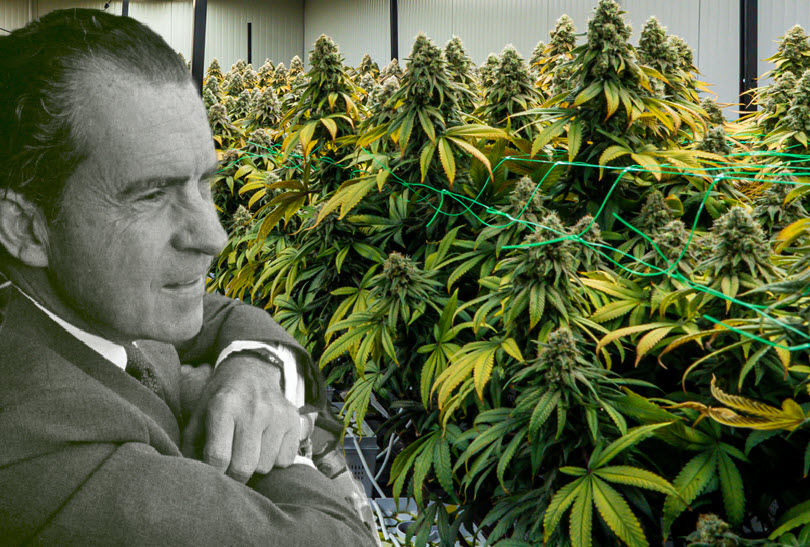
But wait, there’s more to the story. In a shocking turn of events, newly discovered secret recordings have shed light on President Nixon’s true stance on marijuana. These clandestine tapes, recorded during his private staff meetings, unveil a man whose personal views on cannabis were far from the hardline stance he presented to the public. The stark contrast between Nixon’s public policies and private thoughts raises some serious concerns about the origins of the War on Drugs and its lasting effects on American culture.
As it turns out, Nixon’s public condemnation of marijuana was merely a facade. Behind closed doors, he held a much more nuanced and lenient perspective on the controversial plant. This revelation begs the question: why did Nixon choose to publicly demonize marijuana while privately holding a different view?
The answer may lie in the political climate of the time. In the late 1960s and early 1970s, the counterculture movement was in full swing, and marijuana was seen as a symbol of rebellion against the establishment. By taking a hard stance against it, Nixon may have been trying to appeal to conservative voters and maintain his image as a law-and-order president.
But at what cost? The War on Drugs, fueled by Nixon’s harsh rhetoric and policies, has had a lasting impact on American society. The disproportionate incarceration rates of people of color for nonviolent drug offenses and the perpetuation of harmful stereotypes surrounding marijuana are just some of the consequences of this misguided crusade.
So, while Nixon may have presented himself as a staunch opponent of marijuana, the truth is far more complex. And as we continue to grapple with the aftermath of the War on Drugs, it’s important to remember the role that personal beliefs and political agendas played in its inception.