
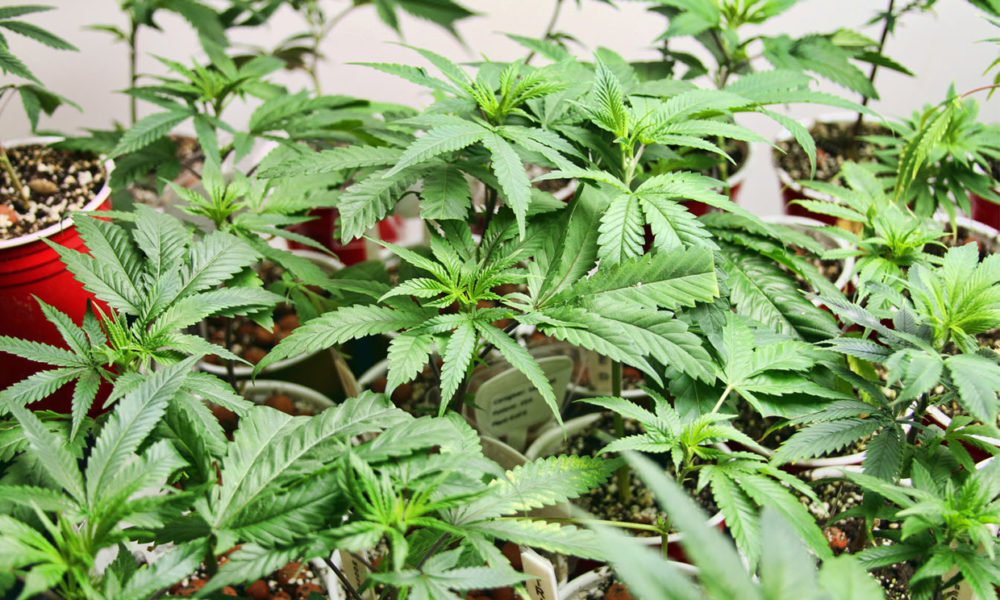
Preparing for spring planting doesn’t have to be complicated, but a little work in the months beforehand can make the process flow more smoothly and lead to larger yields. The first step is to decide on the purpose of your grow – whether it is for medicine, personal use, or commercial purposes. This will help determine the type of genetics you need. Clones are a popular option and can be obtained from a reputable source, such as a friend, breeder, or dispensary. However, it is important to note that just because a clone comes from a good source, it doesn’t guarantee that it will perform well in your grow environment. It is also important to make sure the clones have decent roots before investing time and energy into your grow. Using a rooting hormone can help with this process. Vegging the clones indoors or in a greenhouse under T5 fluorescent lights can also improve yields. Training techniques, such as pinching or super cropping, can also help increase branching and ultimately lead to heavier yields.
For those interested in growing from seed, it is important to acquire genetics from a reputable seed bank. Price does not necessarily determine the quality of a strain, so it is important to do research and read reviews. It is also important to select a strain that will grow well in your environment. Some strains are equatorial, meaning they are accustomed to 12 hours of light and 12 hours of darkness. These strains are not as prevalent, but it is important to be aware of them for future availability. Examples of equatorial strains include Colombians, Panama strains, Congolese basin strains, and some South East Asian strains like Thai and Cambodian. It is also important to note that these strains are not as commonly written about in a hipster journalistic style and may not receive as much attention as other strains.