
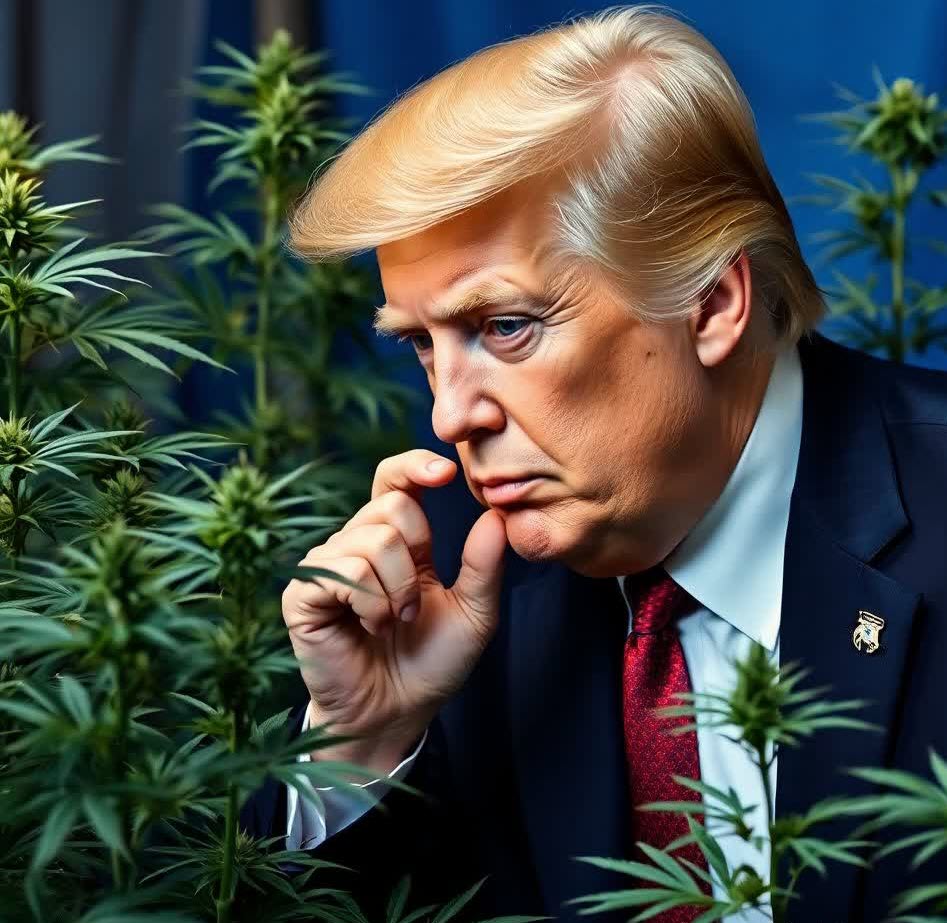
The fate of cannabis rescheduling rests in the hands of the current administration. With Biden’s proposal to reclassify cannabis as a Schedule III drug, the potential for legalization at the federal level is within reach. However, this move alone is not enough to fully legitimize cannabis and align it with state-level legalization efforts. As the smoke clears, it’s clear that more action is needed to fully embrace the green revolution.
The buzz around cannabis rescheduling has been building for years, with advocates and activists pushing for its removal from the restrictive Schedule I category. This classification, reserved for drugs with no accepted medical use and a high potential for abuse, has long been a thorn in the side of the cannabis industry. But with the winds of change blowing in Washington, there is hope that this outdated label will soon be a thing of the past.
Enter Biden’s administration, which has taken a bold step towards cannabis rescheduling by proposing a move to Schedule III. This would place cannabis in the same category as drugs like ketamine and anabolic steroids, acknowledging its potential for medical use while still imposing some restrictions. It’s a significant move, but it’s not the final destination for cannabis legalization.
While the proposed rescheduling is a step in the right direction, it falls short of the ultimate goal – full legalization. Despite the growing number of states legalizing cannabis for both medical and recreational use, it remains illegal at the federal level. This creates a confusing and often contradictory landscape, with state laws conflicting with federal law. It’s a situation that has left many in the industry feeling like they’re walking on thin ice.
But with the Biden administration’s proposal, there is hope that the federal government is finally catching up to the progressive attitudes of the states. By rescheduling cannabis, it would open the door for more research and potentially pave the way for full legalization. It would also provide much-needed relief for those who have been unfairly targeted and criminalized for cannabis-related offenses.
However, the road to rescheduling is not without its obstacles. The decision ultimately rests with the Drug Enforcement Administration (DEA), which has historically been resistant to