
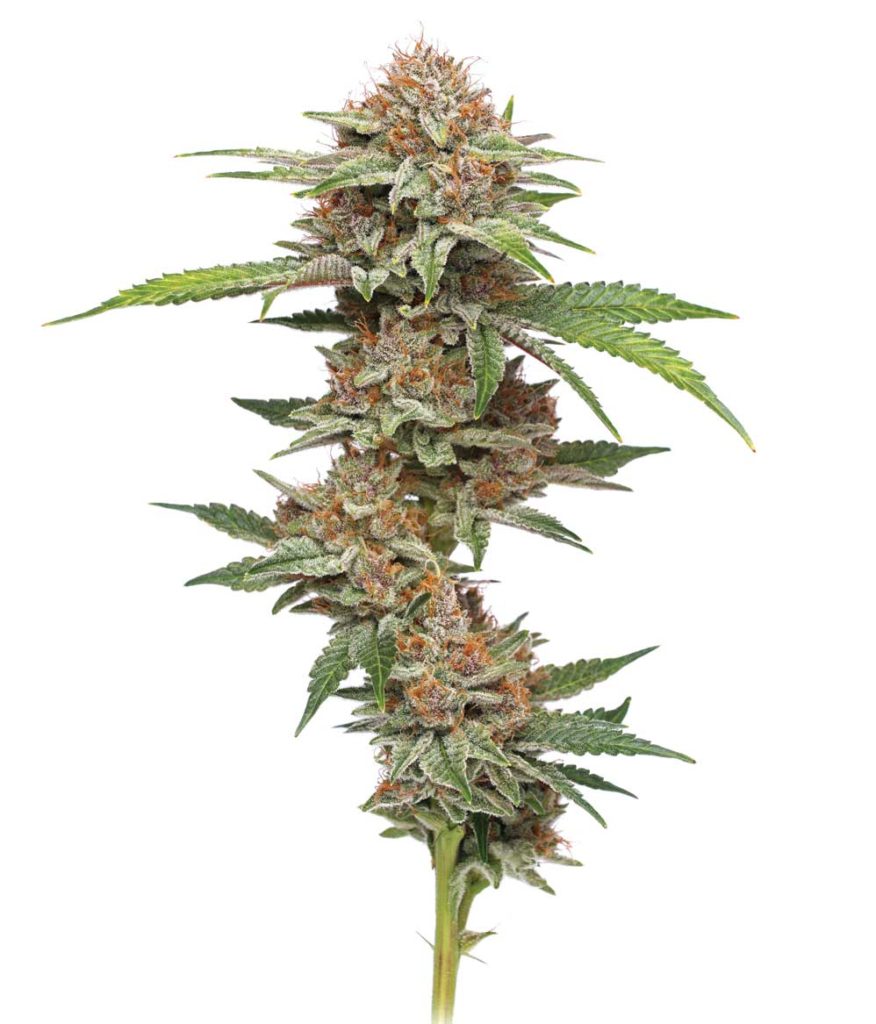
The world of cannabis cultivation has seen a significant increase in the availability of cultivars, thanks to the rise of seed banks and nurseries in Europe and North America. While growing from seed has its advantages, it also comes with its own set of challenges. Unlike clones, which are cuttings from a nursery, seeds are easier to transport and store. However, this also means that cannabis grown from seed is not genetically identical, unlike clones.
The level of homogeneity in seed-grown plants varies from breeder to breeder. While plants of the same variety will be closely related, only skilled breeders can create a uniform crop. This lack of uniformity in the canopy can be undesirable for larger operations, as it can lead to reduced yield. However, for home growers and smaller farms, this may not be as much of a concern.
For large-scale farmers, uniformity is crucial, and choosing varieties from a nursery that takes cuttings from mother plants or uses tissue culture can help ensure identical genetics and drive uniformity in the canopy. Whether growing from seeds or clones, selecting the right cultivar is essential, as they not only differ in their effects but also in how they grow.
It’s worth noting that while the term “strain” is commonly used in the cannabis industry, it is more appropriately used when referring to viruses, bacteria, or fungi. The correct term for cannabis varieties is “cultivar,” derived from “cultivated variety.” This book uses “varieties” to refer to groups of related plants and “cultivar” to refer to specific varieties that are named landraces or the result of a dedicated breeding program.
When choosing a cultivar, it’s essential to consider its suitability for the growing environment. Some cultivars thrive in outdoor gardens and require more light, while others do better indoors. Some have minimal branching, while others prefer to spread their branches and leaves horizontally. Some are heavy yielders with large colas that may need support as they approach maturity. Additionally, the time it takes for a plant to reach maturity can vary greatly, with some varieties taking as long as 12 weeks.
Choosing the right cultivar can be a daunting task, but it’s also a pleasurable one. The perfect variety of cannabis is the one that meets the grower’s goals, whether it’s for medicinal properties, growing style, taste, aroma, or any other desired trait. There is no one “perfect” cultivar; it all depends on what works best for the individual grower.
When designing a garden, choosing the right cultivar is one of the most critical decisions to make. The two most important factors to consider are the quality of the effects and the suitability for the growing environment. It’s essential to find cultivars that produce desired flavors, aromas, highs, or medicinal qualities. Each cultivar has its own unique genetic makeup, making the process of choosing the right one a truly individual experience.
One popular cultivar is Blueberry Muffin, bred by Humboldt Seeds. Its unique flavor and aroma make it a favorite among many cannabis enthusiasts. Ultimately, the right cultivar is the one that meets the grower’s goals and works perfectly for their specific needs. With the wide variety of cultivars available, there is sure to be one that fits every grower’s preferences.