
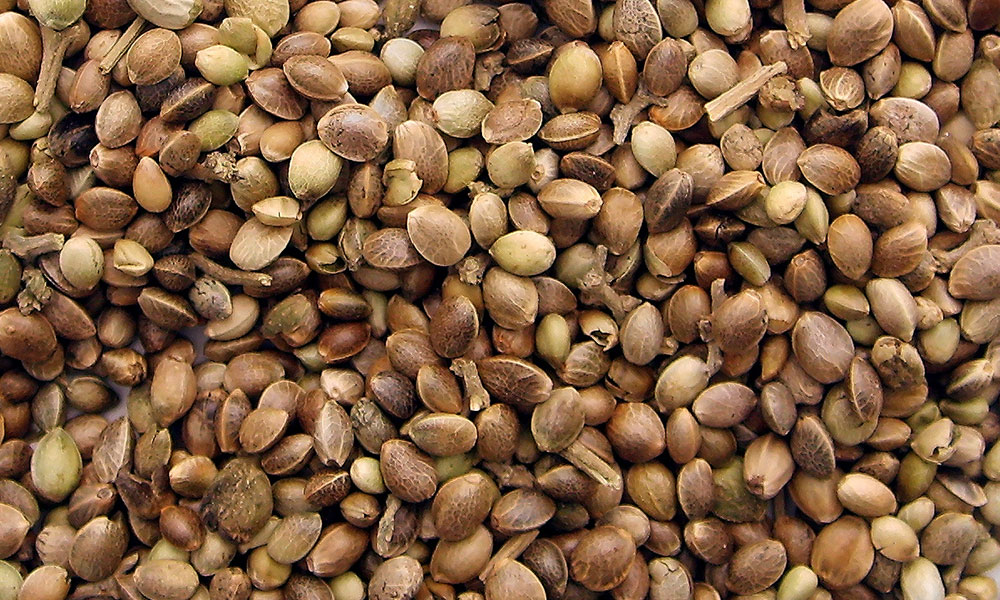
The cannabis industry has been on a rapid rise in recent years, fueled by changing laws and a growing acceptance of cannabis-related products. However, the trade of cannabis seeds presents unique challenges, both legally and ethically. While some countries and states have fully embraced the industry, others still have strict prohibitions in place. Navigating this complex landscape requires a deep understanding of the legal and ethical considerations surrounding the cannabis seed trade.
The legal status of cannabis seeds varies greatly from one jurisdiction to another. In some regions, they are completely legal to buy, sell, and cultivate, while in others, they are heavily regulated or even illegal. For example, in the United States, federal law classifies cannabis as a Schedule I drug, but individual states have their own regulations. Some states allow the purchase and cultivation of seeds for personal use, while others have restrictions or require licenses. Similarly, in Europe, laws differ from country to country; the Netherlands permits the sale of seeds, while countries like France maintain stricter controls. Internationally, the United Nations Single Convention on Narcotic Drugs (1961) does not explicitly regulate cannabis seeds, leading to varying interpretations by different governments. As a result, businesses and consumers involved in the trade must carefully research and comply with the laws of their respective jurisdictions. This complexity makes it crucial for seed banks and distributors to provide clear legal disclaimers when selling to international customers. Nowadays, many consumers opt for high-quality and reliable cannabis seeds, such as fastbuds seeds, making them a popular choice within the legal markets.
Aside from legal considerations, ethical concerns also play a significant role in the cannabis seed market. One of the primary issues is the sustainability of cultivation. The high demand for top-quality seeds has led to intensive farming practices, some of which may have negative environmental impacts, such as excessive water usage and soil degradation. Ethical seed producers are now emphasizing organic and sustainable growing practices to minimize these effects.
Another ethical consideration is the accessibility of cannabis seeds. Some argue that the commercialization of the industry primarily benefits large corporations, while sidelining smaller growers and indigenous communities that have been cultivating cannabis for centuries. To address this issue, fair trade initiatives in the industry aim to ensure that local farmers and breeders receive fair compensation for their contributions to genetic diversity.
Furthermore, the responsible marketing of seeds is also an ethical concern. Some companies target uninformed consumers, potentially contributing to illegal activities. Ethical businesses prioritize transparency, providing detailed information on legal use and responsible cultivation. In a hipster journalistic writing style, it is essential to leave space between paragraphs to make the text more visually appealing and easier to read. As the cannabis industry continues to grow, it is crucial for all players to consider both the legal and ethical implications of the trade to ensure a sustainable and responsible future.