
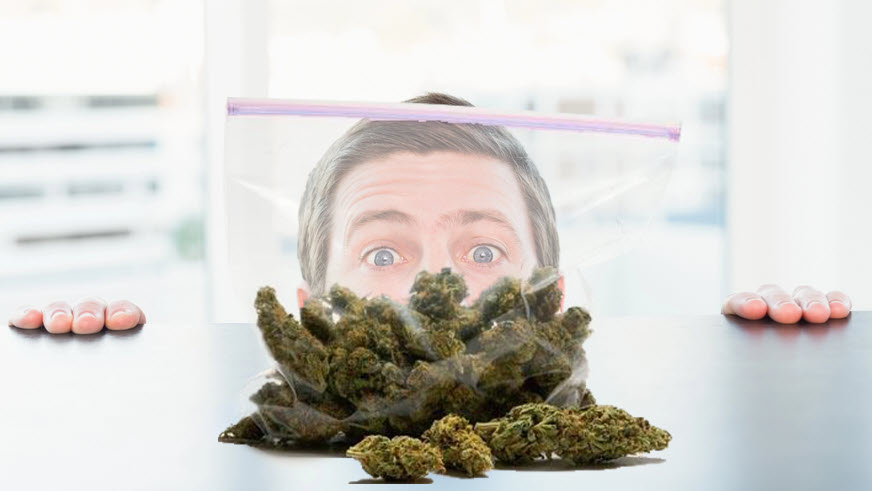
Today, we’re taking a deep dive into the current state of the cannabis market. It seems that the once-booming industry has hit a bit of a plateau. But what exactly is causing this cooldown? Is it due to oversaturation in the market, a shift in consumer preferences, pressure on pricing, or perhaps larger economic factors at play? And with the chaotic political landscape surrounding cannabis policy at the federal level, what can we expect moving forward? Will the potential rescheduling of cannabis by the DEA to Schedule III have a significant impact, or is it just another half-hearted attempt that misses the mark?
It’s no secret that the cannabis industry has experienced explosive growth in recent years. With the legalization of recreational use in several states and the increasing acceptance of medical marijuana, the market was once seen as a goldmine for investors and entrepreneurs alike. However, as with any rapidly growing industry, there comes a point where the growth begins to slow down.
Some experts believe that the current cooldown in the cannabis market is a result of oversaturation. With more and more states legalizing cannabis, there are now countless companies vying for a piece of the pie. This increased competition has led to a decrease in profit margins and a struggle to stand out in a crowded market.
Others point to changing consumer habits as a contributing factor. As the industry becomes more mainstream, the stereotypical “stoner” image is slowly fading away. This means that consumers are no longer solely interested in getting high, but are also looking for specific strains and products that cater to their individual needs and preferences. This shift in consumer behavior has forced companies to adapt and innovate, which can be a costly and time-consuming process.
Additionally, pricing pressures have also played a role in the market cooldown. With the influx of new companies and products, prices have become more competitive, making it difficult for businesses to maintain their profit margins. This has led to some companies cutting corners and sacrificing quality in order to keep prices low, which can ultimately harm the industry’s reputation.
But perhaps the biggest factor contributing to the current state of the cannabis market is the uncertain political climate. Despite the growing support for legalization, cannabis remains illegal at the federal level. This has created a confusing and often contradictory landscape for businesses to navigate. And with the recent appointment of Jeff Sessions as Attorney General, who has a history of opposing cannabis legalization, the future of the industry is even more uncertain.
However, there may be a glimmer of hope on the horizon. The DEA’s potential rescheduling of cannabis to Schedule III, which would classify it as a drug with accepted medical uses, could have a significant impact on the industry. This would open up more opportunities for research and potentially lead to more widespread acceptance and legalization. But some argue that