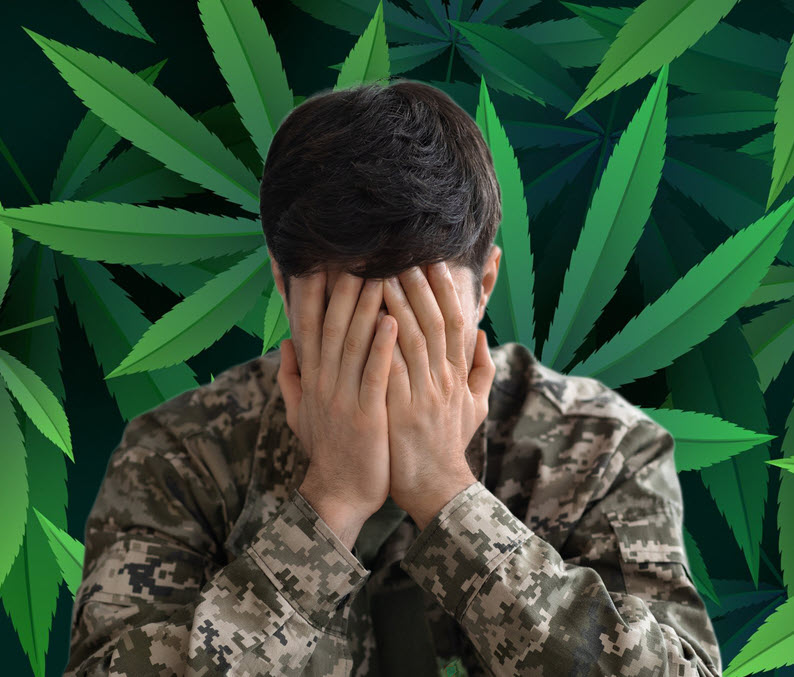
However, let’s not get carried away with the idea that cannabis is some sort of mystical cure-all for trauma. As I’ve chatted with numerous veterans who incorporate cannabis into their treatment, they’ve made it clear: the plant may assist in symptom management, but it’s certainly not a magical eraser for PTSD. True healing demands a willingness to confront and process traumatic events, and that’s no easy feat.
Cannabis, on the other hand, can be seen as a trusty sidekick on the journey towards healing. It’s not the ultimate destination, but rather a helpful companion along the way. Its role is more of a supportive one, rather than a cure in and of itself.
So, let’s not fall into the trap of thinking that cannabis is a quick fix for deep-rooted trauma. It’s important to acknowledge that real progress requires hard work and dedication. While cannabis may provide some relief, it’s not a substitute for the necessary inner work that must be done.
In fact, many veterans who have turned to cannabis as a form of therapy will be the first to tell you that it’s not a cure. It’s simply a tool that can aid in managing symptoms and making the journey towards healing a little less daunting.
So, let’s give credit where credit is due. Cannabis may have its benefits, but it’s not a miracle solution for PTSD. It’s time to shift the focus from the plant itself to the individuals who are bravely facing their trauma head on. They are the true heroes in this story, and cannabis is just one small piece of the puzzle.