When people think about vape ingredient safety, the conversation usually turns to contaminants: pesticides, leftover solvents and heavy metals. Those matter. But according to toxicologist Shawna Vreeke, they‘re only part of the picture.
“Contaminants and impurities are unintentional, but that doesn’t mean that we can ignore intentionally added ingredients,” says Vreeke, director of toxicology at True Terpenes. “Those can cause just as much harm.”
That idea drives the vape ingredient safety program the Portland, Oregon-based terpene company launched in 2020, long before most of the cannabis industry was thinking about the toxicology of flavor and aroma ingredients. True Terpenes, whose formulations end up in more than $8 billion worth of cannabis and hemp products sold each year across 107 countries, recently completed the program‘s first independent review by an outside board-certified toxicologist, a check it plans to repeat annually.
Building It Anyway
True Terpenes CEO Daniel Cook.
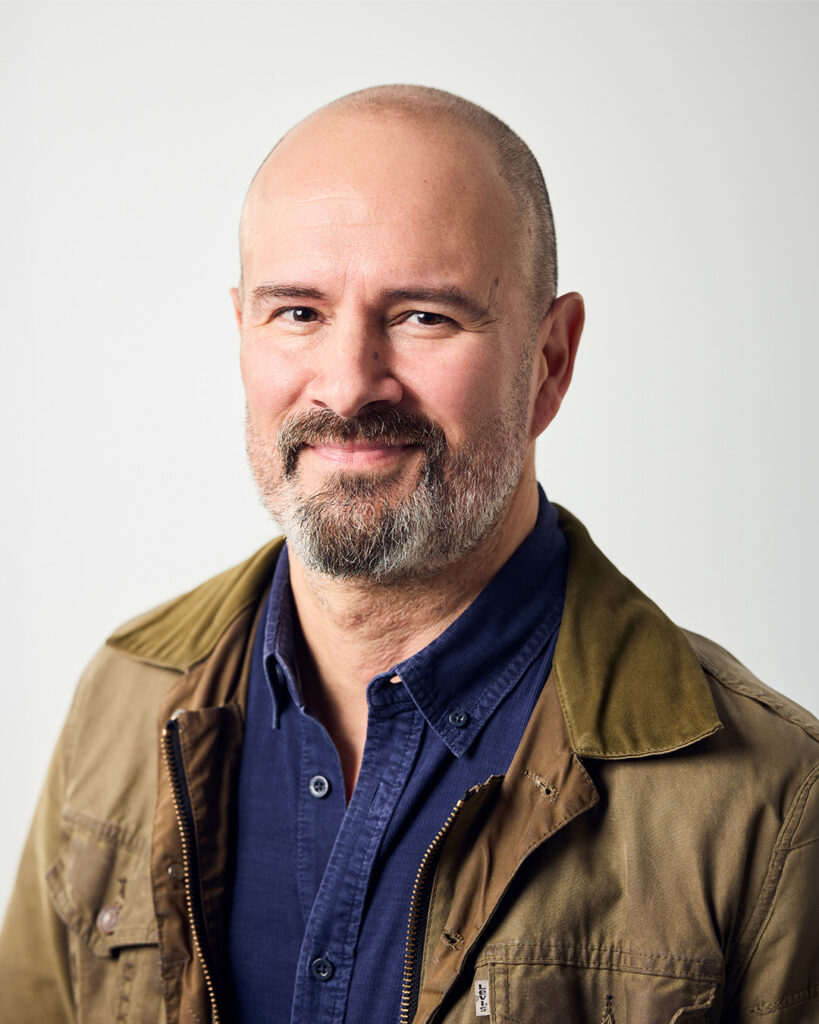
Daniel Cook, CEO of True Terpenes, joined the company full-time in early 2020. That same year, True Terpenes hired Vreeke to design and lead its toxicology program.
Cook says no single event set the program in motion. Instead, it fits a long-standing pattern: the company has “always invested way ahead of the market and way ahead of regulations when it wasn‘t required,“ he says.
That approach runs against what he calls a short-term, transactional mindset that can take hold in a young industry. “We’re not in this to flip the company or get in, get out,” Cook says. “We want to be a part of a long-term sustainable industry, and we want to have a company that’s going to be around for decades.” As he put it in the company‘s announcement, “We built it because an industry that asks for trust has to earn it first.“
The commitment came with real tradeoffs. Clients weren’t asking for a toxicology program in 2020, and the limits it set made product development harder. “It takes longer to find innovative ways to deliver the experience, the flavor, the aroma that you’re looking for, because you’re painting with a limited palette,” Cook says.
Vreeke arrived with her own reasons for caring about what goes into a vape. She earned her doctorate at Portland State University studying nicotine vaping and defended her dissertation at the end of 2019, just after the EVALI outbreak, a wave of lung injuries linked to vaping products. That crisis, she says, “really helped shed light on the idea that maybe not everything is safe to inhale and manufacturers should be thinking about what they’re putting in their products.”
Her skepticism started earlier. She remembers when e-cigarettes first came out and their vapor was described as harmless water. “I had a bachelor’s in chemistry, so I understood enough about materials to be like, there’s no way that’s water,” she says.
How the Program Works
Un