
Ah, the age-old debate of when one is deemed “mature” enough to partake in certain activities. And in this case, we’re talking about the consumption of that oh-so-controversial substance known as weed. But before we dive into the nitty-gritty, let’s take a step back and look at the science behind it all.
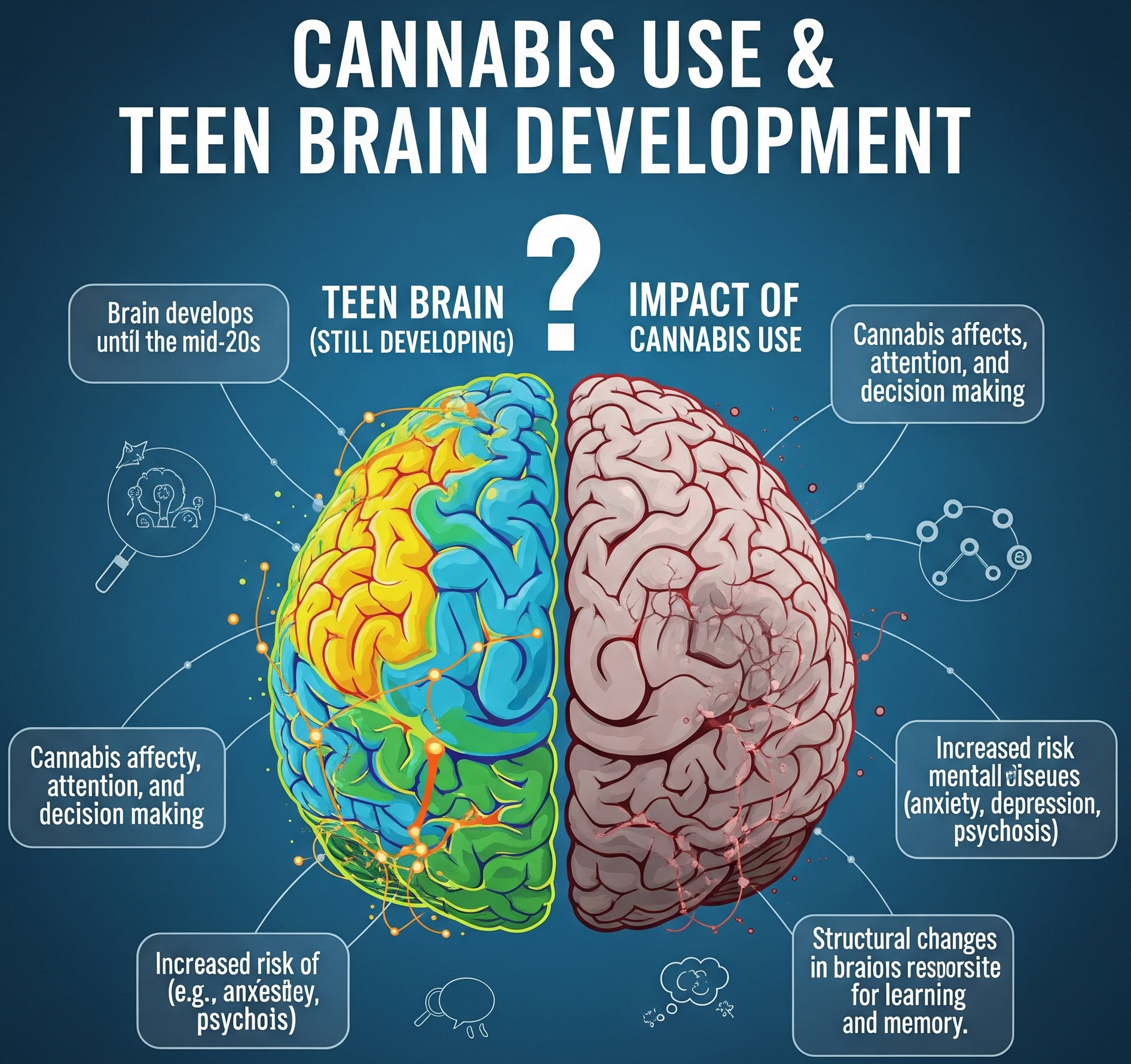
You see, dear reader, the human brain is a complex and ever-evolving organ. And according to the latest research, it doesn’t fully mature until around the age of 21. That’s right, even though we may feel like we have it all figured out in our late teens, our brains are still a work in progress. In fact, they continue to grow and develop until the ripe age of 25.
So what does this have to do with weed, you may ask? Well, everything. You see, the developing brain is particularly vulnerable to the effects of substances like marijuana. And that’s why it’s crucial to have restrictions in place for young adults until they reach the age of 21.
By waiting until the brain has fully matured, we can help prevent any potential damage that may occur. And trust me, there’s plenty of evidence to support this. From impaired cognitive function to increased risk of mental health issues, the consequences of consuming weed at a young age can be detrimental.
But let’s not forget the other side of the argument. The one that says, “Hey, if we can vote and serve in the military at 18, why can’t we smoke a little weed?” And while that may seem like a valid point, it’s important to remember that the brain is still developing at 18. And as we’ve established, it’s not fully mature until 21.
So there you have it, folks. The driving force behind the legal age for consuming weed being set at 21. It’s not just some arbitrary number, but rather a scientifically-backed decision to protect the developing brains of our young adults. And hey, if waiting a few more years means avoiding potential long-term consequences, then it’s a small price to pay.