2025, the European Parliament passed a resolution to ban the use of the term “greenwashing” in marketing
The Armani Group Fined $4 Million for Misleading Sustainability Claims
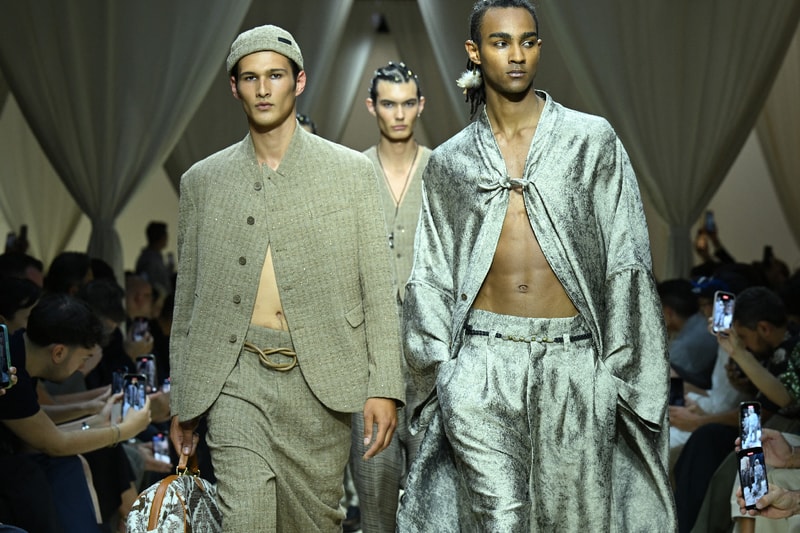
The Armani Group, known for its luxury brands Giorgio Armani and Emporio Armani, has been hit with a $4 million fine by Italy’s antitrust regulator for making false statements about its sustainability practices. This news comes just as Milan Fashion Week SS26 approaches and the company prepares to celebrate its 50th anniversary.
The fine was issued after a year-long court administration of the company for unethical business operations was lifted. According to Reuters, the filing states that the group and one of its subsidiaries made misleading statements about their ethical and social responsibility, despite evidence of poor working conditions at their suppliers and subcontractors.
Despite the company’s claims of sustainability, it was revealed that most of its leather goods production is outsourced to third-party entities that have violated health and safety regulations and employed workers illegally. This controversy first arose in the summer of 2024, when the court placed the group under oversight for 12 months. The measure was finally lifted in February 2025.
In response to the fine, Giorgio Armani expressed disappointment and bitterness, stating that they have always operated with fairness and transparency towards consumers, the market, and stakeholders. However, this is not the first time luxury brands in Italy have faced scrutiny for their labor and manufacturing practices.
Italian regulators have been cracking down on luxury labels that use the “Made in Italy” tag, demanding that they uphold humane, environmentally responsible, and legal practices. Other brands, such as Valentino, Dior, and Loro Piana, have also faced similar controversies and have been placed under court administration.
Most recently, ultra-luxury brand Loro Piana was placed under court administration after an incident involving the brutal beating of a worker who demanded unpaid wages from a subcontracted workshop. The incident shed light on the reality of “greenwashing,” a term used to describe misleading social and environmental sustainability claims by brands, especially in the apparel industry.
In response to these issues, the European Parliament passed a resolution in June 2025 to ban the use of the term “greenwashing” in marketing. As the fashion industry continues to face scrutiny for its practices, it is clear that companies must prioritize transparency and ethical practices to avoid facing consequences like fines and court administration.