
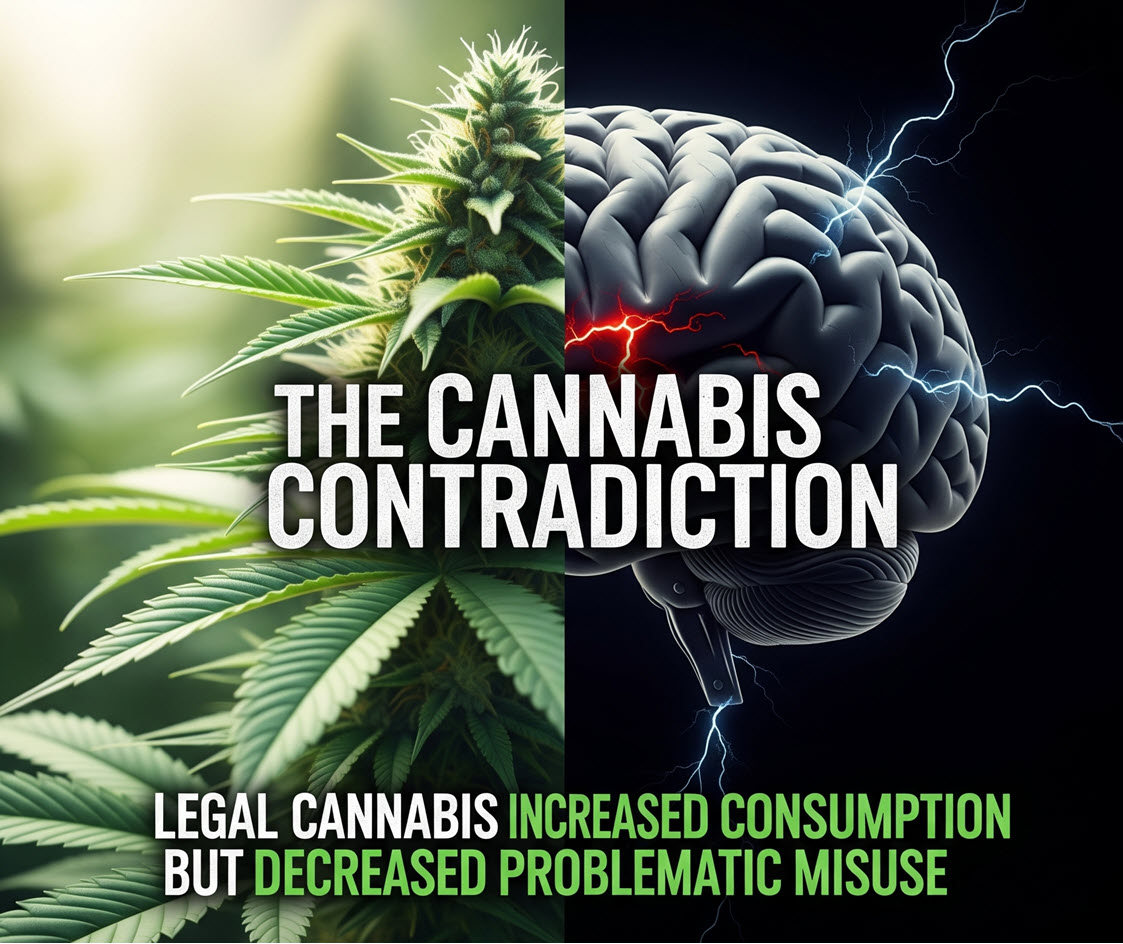
Picture this: it’s 2018 and Canada has just become the second country in the world to legalize recreational cannabis nationwide. The air is thick with anticipation and speculation about the potential effects of this groundbreaking decision. Fast forward five years and a team of researchers have been diligently tracking 1,428 Canadian adults to see how this legalization has played out.
The results? Surprising, to say the least. Despite the initial fears and concerns, the study found that overall cannabis use had only increased slightly. But here’s the kicker: problematic misuse of the drug had actually decreased. That’s right, folks. More people are consuming cannabis, but they’re doing it more responsibly.
Now, I know what you’re thinking. How is this possible? How can more people using cannabis lead to less problematic misuse? Well, let me break it down for you. The researchers found that legalization had led to a decrease in the stigma surrounding cannabis use. This, in turn, led to more open and honest conversations about responsible consumption and harm reduction.
But that’s not all. The study also found that legalization had led to a decrease in the black market for cannabis. With legal and regulated options readily available, people were less likely to turn to illicit sources for their cannabis fix. This not only ensures a safer and more consistent product, but also reduces the risk of criminal activity associated with the black market.
But perhaps the most significant finding of the study was the decrease in problematic misuse of cannabis. This includes behaviors such as using the drug excessively, experiencing negative consequences from use, and developing dependence. With more open and honest conversations about responsible consumption, people were better equipped to use cannabis in a way that was beneficial and not harmful.
So, what does this all mean? Well, for one, it debunks the fear-mongering narrative that legalization would lead to a nation of stoners. It also highlights the importance of