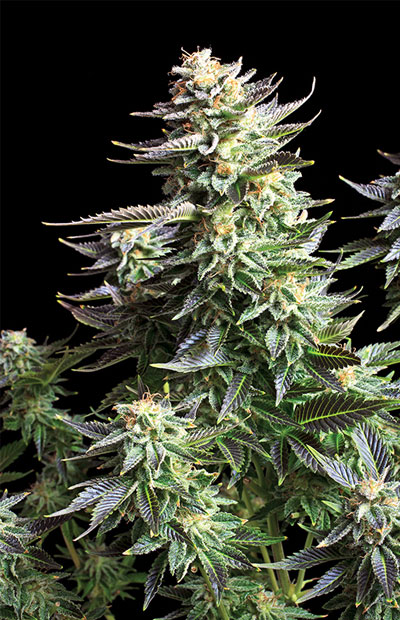
The Brotherhood’s main trade was LSD, specifically barrels of orange sunshine, but they were also avid cannabis enthusiasts. Their search for the perfect wave and the perfect high took them to exotic locations like Thailand, Hawaii, and Africa, where they discovered mind-blowing strains of cannabis. In a daring move, they began smuggling these strains back to the United States in hollowed-out surfboards, outsmarting customs agents who were oblivious to their illicit activities. This was the 1970s, a time when the drug trade was still relatively unregulated and adventurous individuals like the Brotherhood could thrive.
Along with the cannabis came seeds, but at the time, few people saw their value. It wasn’t until later that some forward-thinking individuals began to save and breed these seeds, leading to the development of legendary strains like Haze. The Haze brothers, based in Santa Cruz, California, were among the first to breed this strain, along with a purple variety. It is believed that the original Haze was a cross between Colombian and Mexican genetics, with Thai and North Indian strains added in subsequent generations.
The Haze quickly gained a reputation as one of the most potent and sought-after strains in the world of cannabis connoisseurship. It was a rare and exclusive strain, reserved for rock stars, their dealers, and a select group of growers who were lucky enough to get their hands on it. One of these lucky individuals was Dave Watson, also known as Sam the Skunkman. Watson was part of the Sacred Seeds collective, which is often credited as the first seed bank in California. He traveled the world collecting seeds and was able to obtain the elusive Haze strain in Santa Cruz.
In the early 1980s, as the Reagan administration ramped up the war on drugs, Watson decided to leave the United States and take his precious seeds with him to Amsterdam. There, he formed partnerships with Dutch breeders and together they created iconic strains like Skunk #1, California Orange, and various versions of Haze. One of Watson’s most prominent collaborators was Nevil Schoenmakers, who had also traveled the world collecting cannabis genetics and breeding them to thrive in colder climates. Schoenmakers had established himself in a mansion on the outskirts of Amsterdam, known as the “Cannabis Castle.”
Thanks to the efforts of Watson, Schoenmakers, and other pioneering breeders, the Haze strain and other legendary varieties were preserved and shared with the world during the dark years of the Reagan and Bush administrations. Today, these strains continue to be celebrated and enjoyed by cannabis enthusiasts around the globe.