
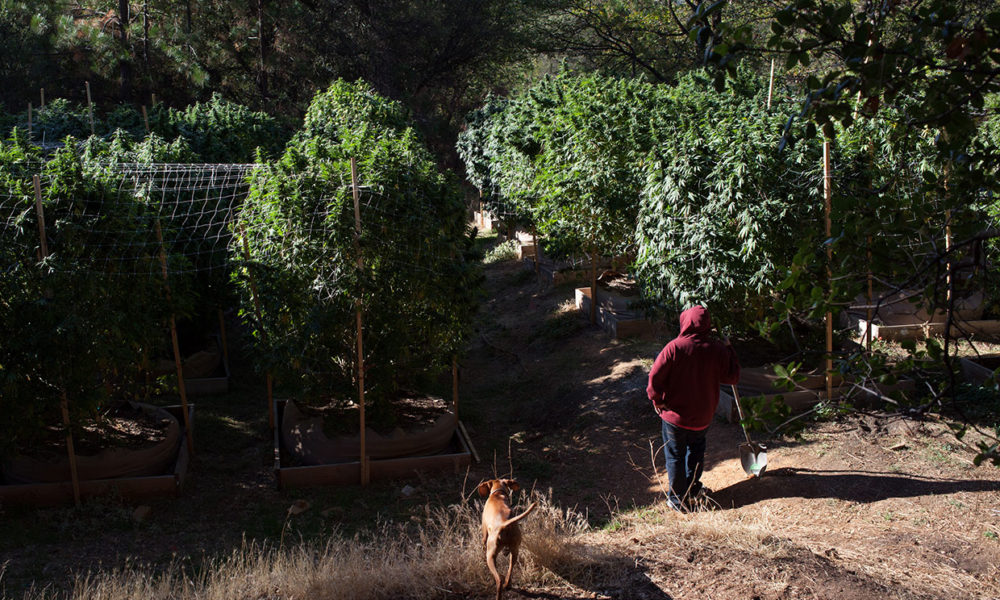
Growing cannabis outdoors comes with its own set of challenges, as the plants are exposed to the elements and various pests and diseases that can wreak havoc on a crop. Unlike indoor growing, where plants are protected, outdoor crops are vulnerable to a range of problems that can destroy them. It’s important to regularly check on your outdoor cannabis plants and pay attention to even the smallest details, as they can indicate potential issues that may arise later on. Here are a few things to look out for:
Aphids are a common pest that can be difficult to get rid of. While using chemical insecticides may seem like the easiest solution, it’s important to consider the potential risks. If your plants are still in the green foliage growth stage, you can use chemicals to get rid of aphids. However, if your plants are close to harvest, it’s best to avoid using chemicals as they can still be present in the final product and may have harmful effects when smoked. Instead, try a natural approach by purchasing some geraniums, which exude hormones that repel pests. Hang a few palm-sized cloth bags filled with geranium leaves on each plant to keep aphids away. You’ll also need to deal with any remaining aphid eggs. Use a soft cloth and antibacterial/insecticide soap to gently wipe the underside of the leaves where the eggs are usually found. Be careful not to scrub the leaves, as this can damage them. If your plants are grown in a peat and perlite mixture, you may need to replace the top layer as it provides a breeding ground for aphids. Be sure to mist the underside of the leaves with pH balanced water for about a week to remove any traces of chemicals.
Mold and fungus are also common problems in outdoor cannabis crops, as they thrive in standing water and wet surfaces. These can be harmful to both plants and humans, so it’s important to be vigilant. If you suspect an infestation, wear rubber gloves while checking your plants. The first sign of mold or fungus is a musty, damp smell. If you notice this while sniffing your plants, it’s time to take action. Remove any affected plants and dispose of them properly. To prevent mold and fungus from spreading, avoid overwatering and ensure proper drainage. You can also use a fungicide to treat the affected areas. Remember to always wear protective gear when dealing with mold and fungus.
Growing cannabis outdoors can be a rewarding experience, but it requires careful attention and maintenance. By keeping an eye on potential problems and taking proactive measures, you can ensure a successful and healthy crop.