
Morocco’s Rif Mountains have been a hub for cannabis cultivation for centuries, with the plant deeply embedded in local culture. It is believed that Arab traders introduced cannabis to the North African nation in the 7th century, and the region’s dry, cold, and mountainous climate proved to be the perfect environment for its growth. Initially consumed as kif, a blend of cannabis and tobacco smoked in traditional pipes called sebsi, the practice evolved into hashish production by the late 20th century.
The shift towards hashish production was influenced by increased global demand and new techniques introduced by international travelers in the 1960s and ’70s. Today, Morocco is the world’s largest producer of hashish, with the Rif Valley serving as the epicenter of cultivation and processing, deeply rooted in tradition. The farms in the Rif Valley have mastered the art of hash production over generations, and now they are merging traditional methods with modern Good Manufacturing Practices (GMP) standards to create high-quality products suitable for global export.
Humboldt Seed Company (HSC), a renowned entity from Northern California known for its expertise in cannabis genetics, has been actively involved in this transformation. HSC’s founder and CEO, Nathaniel Pennington, and his team have been collaborating closely with local farmers, visiting during all four seasons to better understand their practices. They have been helping Rif Valley farmers identify challenges while introducing innovative breeding techniques that honor tradition and improve economic viability.
“We found ourselves sharing the same message with all the farmers we met: ‘Hold on to your heritage genetics because you have something very special here,'” shares Pennington. He also notes that the Moroccan Beldia hash offers “a much more visual high, almost like a mild acid trip.”
Winter is considered the “sleeping season” in the Rif Valley, marked by quietude during Ramadan. However, it is also the primary hash processing season. As temperatures drop below 50°F, the valley echoes with the rhythmic sounds of Ketama drums, signaling the start of hash production. The process is simple yet effective: dried cannabis is sifted through silkscreens using sticks to extract trichomes. This method reflects over 6,000 years of inherited knowledge passed down orally through generations. Workers sing traditional songs while working in synchronicity, creating a communal atmosphere steeped in history.
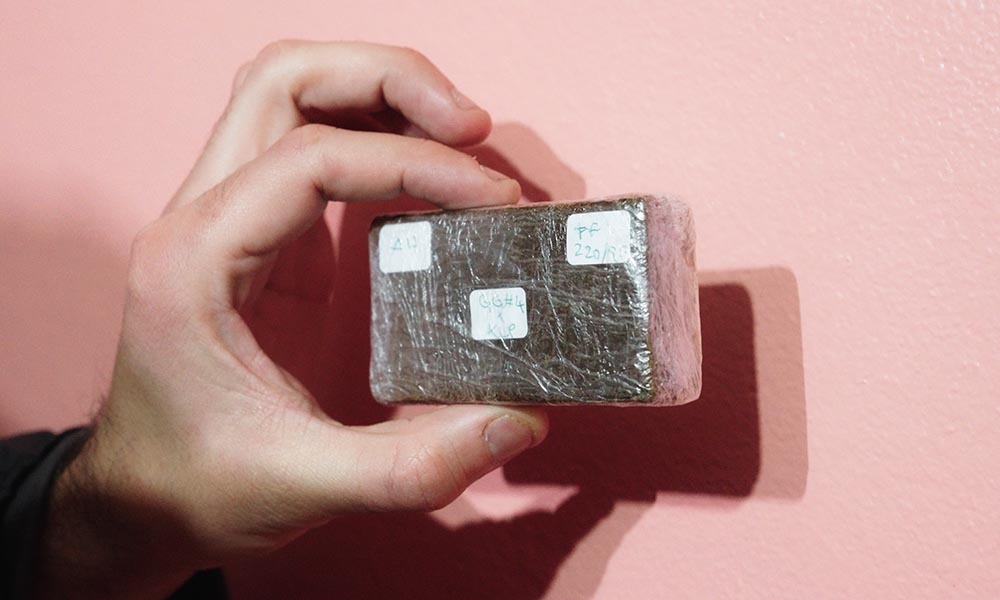
During their winter visit, HSC observed these practices firsthand, noting how extended families and seasonal workers gather to process hash through the night. Once finished, the hash is stored in refrigerators before being pressed into bricks for export. Morocco remains the largest global exporter of hash, with the Rif Valley at the forefront of this industry.
The traditional Ketama drums, also known as Tam Tams, remain central to the processing and preservation of cultural heritage while ensuring compliance with international standards. HSC has been working closely with local farmers to merge traditional methods with modern GMP standards, creating a balance between preserving tradition and meeting global demand.
The collaboration between HSC and Rif Valley farmers has resulted in a transformation of the hash industry in Morocco. The Four Seasons of Moroccan Hash Making, as observed by HSC, have shed light on the rich history and cultural significance of this practice. With the merging of traditional methods and modern techniques, the future of hash production in Morocco looks promising, honoring its heritage while meeting the demands of the global market.