
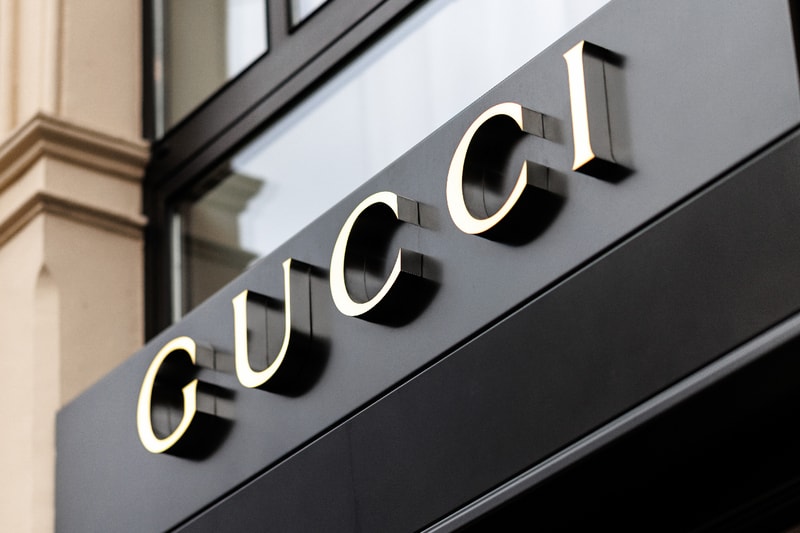
Gucci-parent Kering Reports 14% Revenue Drop in First Quarter of 2025
Kering, the parent company of luxury brand Gucci, has reported a 14% decrease in revenue for the first quarter of 2025. This news comes on the heels of similar weak results reported by rival company LVMH earlier this week.
Weak Store Traffic and Wholesale Numbers Cited as Drivers of Low Performance
According to a report from WWD, Kering has attributed the decline in revenue to weak store traffic and wholesale numbers at Gucci. The brand, which accounted for 63% of Kering’s operating profit in 2024, saw a significant 25% drop in sales in the first quarter.
Saint Laurent and “Other Houses” See Declines, While Bottega Veneta and Eyewear Division Show Growth
In addition to Gucci’s struggles, other brands under the Kering umbrella also saw declines in the first quarter. Saint Laurent saw a 9% decrease in sales, while “other houses” including Balenciaga, McQueen, Pomellato, and Brioni, experienced an 11% drop. However, there were some bright spots for Kering, with Bottega Veneta reporting a 4% increase in sales and the eyewear division showing a 3% pickup.
Kering CEO Remains Focused on Strategic and Financial Objectives
In a statement, Kering CEO François-Henri Pinault acknowledged the challenging environment and emphasized the company’s focus on executing their action plans to reach strategic and financial objectives. He also expressed confidence in the company’s ability to weather the current macroeconomic headwinds and come out stronger.
Controversial Trade Reforms and Luxury Slowdown Pose Challenges for Kering
The luxury industry as a whole has been experiencing a slowdown, and Kering has been particularly affected by controversial trade reforms. This, combined with the struggles of their flagship brand Gucci, has put the company in a difficult position. The recent appointment of former Balenciaga creative director Demna Gvasalia has also been met with mixed reactions, adding to the uncertainty surrounding the brand’s future success.