
As I sit here sipping on my artisanal matcha latte, I can’t help but wonder about the latest trend in the wellness world – Kratom. This herbal supplement, derived from the leaves of a Southeast Asian tree, has been gaining popularity for its supposed benefits in managing pain, boosting energy, and improving mood. But amidst all the hype, one question keeps nagging at me – is Kratom addictive?
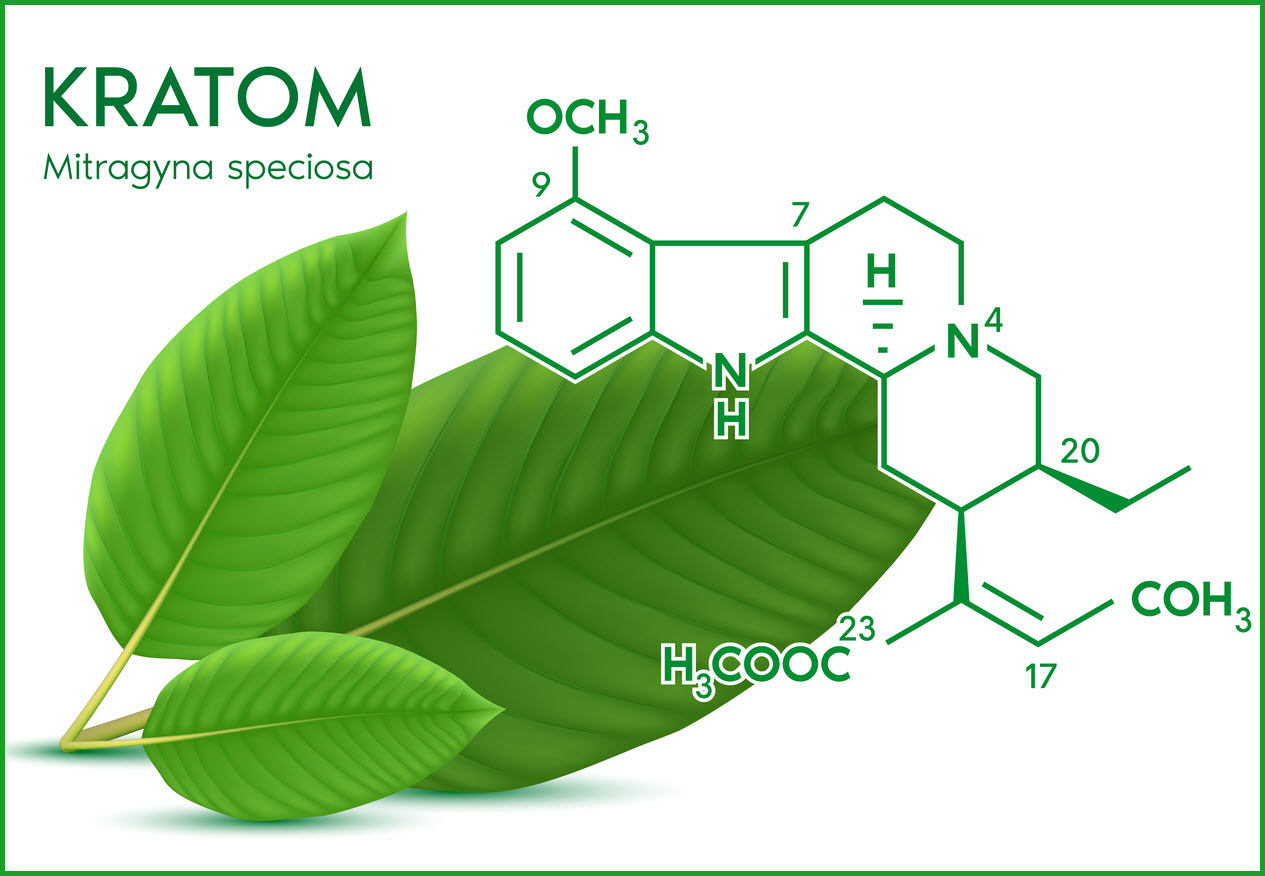
As with any substance, there are risks involved with Kratom consumption. While it is not classified as a controlled substance by the Drug Enforcement Administration (DEA), it does contain alkaloids that can have mind-altering effects. These alkaloids, specifically mitragynine and 7-hydroxymitragynine, bind to the same receptors in the brain as opioids, leading to pain relief and a sense of euphoria. This is why Kratom has been used as a natural alternative to prescription painkillers and even to manage opioid withdrawal symptoms.
But here’s the catch – just like opioids, Kratom can be addictive. Regular use can lead to physical dependence, meaning your body becomes reliant on the substance to function normally. This can result in