
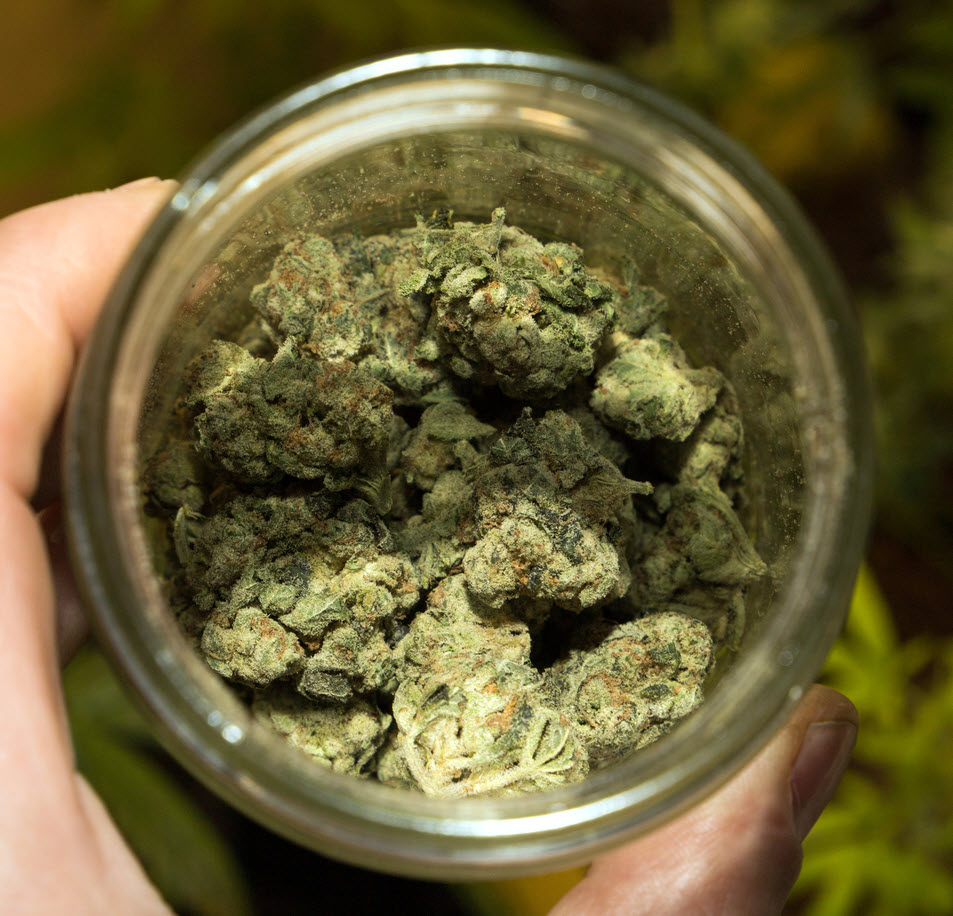
Picture this: you’re strolling down the streets of your favorite city, the sun shining down on your face, and the smell of freshly rolled joints wafting through the air. As you pass by a dispensary, you can’t help but wonder: how much should an ounce of weed really cost?
In the ever-evolving world of cannabis, the answer is not as straightforward as one might think. With the U.S. cannabis market booming at a staggering $35 billion in annual sales, and more and more states jumping on the legalization bandwagon, the price of weed is influenced by a complex web of factors.
First and foremost, let’s talk economics. Supply and demand play a significant role in determining the cost of weed. As more states legalize cannabis, the supply increases, leading to a decrease in prices. On the other hand, if a state has strict regulations or a limited number of dispensaries, the supply may be lower, resulting in higher prices.
But it’s not just about the numbers. Quality also plays a crucial role in the price of weed. Just like with any other product, the better the quality, the higher the price. Premium strains that are carefully grown and cured will cost more than lower quality options.
Regulations also have a significant impact on the cost of weed. In states with strict regulations, such as California, the cost of compliance can be passed on to the consumer, resulting in higher prices. On the other hand, states with more relaxed regulations may have lower prices due to fewer compliance costs.
And let’s not forget about consumer behavior. Just like with any other product, the demand for weed can fluctuate based on trends and preferences. For example, if a particular strain becomes popular, the demand for it will increase, and so will the price.