
to the current business model
Fashion’s Business Model Hangs in the Balance as Trump’s Tariff Plan Takes Effect
The fashion industry’s reliance on low-cost offshore manufacturing is facing a major threat as US President Donald Trump implements his aggressive tariff plan on goods coming into the country. This move has caused concern among consumers, brands, and suppliers who are not prepared to absorb the increased costs.
In response to the tariffs, popular e-commerce sites in China are scrambling to maintain low prices, while alleged suppliers are finding new ways to reach consumers directly. This comes after the White House announced a 3-month pause on April 9 for all countries except China, where the proposed tariff was increased from 104% to 145% in response to a retaliatory tariff from China.
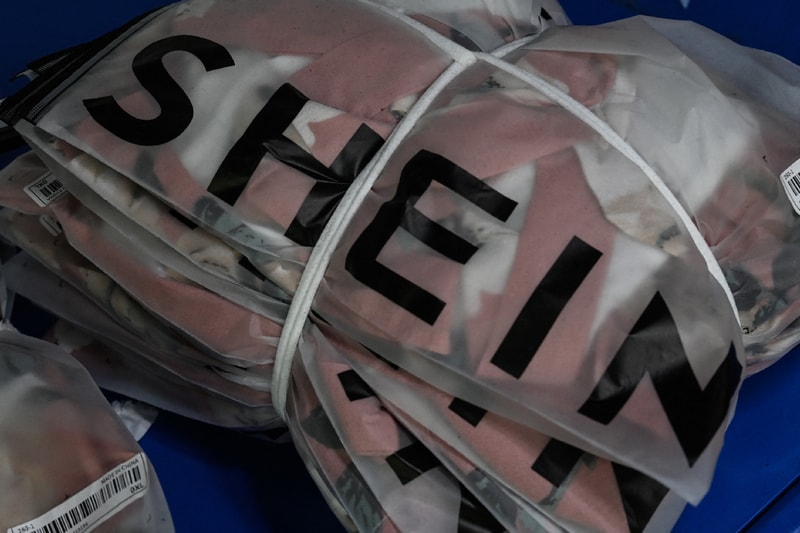
Chinese e-commerce sites such as Temu, Shein, and the new TikTok Shop have gained popularity among US consumers for offering lower prices on various products, particularly apparel, homeware, and toys. However, Trump’s determination to push the tariffs could not only harm Chinese businesses but also result in significant price increases for US consumers who heavily rely on imported goods.
As the Trump administration also plans to condemn the “de minimis” tax policy, which previously exempted imports under $800 from taxes, these e-commerce platforms are warning customers of price increases at the end of April. They are also assuring customers that they are doing everything they can to keep prices low and minimize the impact.
With US consumer confidence declining, shoppers are seeking alternative avenues to avoid the increased costs of Chinese-made goods. Some are turning to Chinese wholesale apps similar to Alibaba, which has already seen a rise in popularity. As of April 17, a Chinese wholesale platform known for selling luxury knockoffs, DHgate, rose to #2 on Apple’s US App Store charts, while popular e-commerce site Taobao rose to #5.
On TikTok, Chinese users claiming to be factories for popular brands are encouraging consumers to order directly from them. However, this has sparked debate as some have pointed out that these suppliers are not on the official manufacturer list for these brands. Meanwhile, American users are compiling lists of Chinese suppliers and factories where viewers can find good deals, but it remains to be seen if these strategies will offer viable alternatives to the current business model.