Washington has taken a few steps toward loosening its grip on cannabis, including easing federal rules on medical marijuana. For the hemp industry, though, Capitol Hill is moving in the opposite direction. A federal hemp ban covering most hemp-derived THC products is now partly in effect, closing the loophole that allowed those products to flourish for nearly eight years.
That loophole traces back to the 2018 Farm Bill, which Congress passed by wide bipartisan margins and President Donald Trump signed during his first term. The law legalized hemp, and a booming market for intoxicating hemp products soon grew up outside state cannabis systems. In November 2025, Congress moved to shut that market down by rewriting the federal definition of hemp in a government funding bill.
The changes are arriving in two stages. On Nov. 12, products made with cannabinoids the cannabis plant can’t produce on its own lost their federal hemp status. The bigger shift comes Dec. 11, when THCA will count toward hemp’s 0.3% THC limit and finished products will be capped at 0.4 milligrams of total THC per container. Most of the hemp THC gummies, drinks, vapes and flower on shelves today won’t meet that standard, though Congress could still push the December date back again in its next spending bill.
The stakes are high. Intoxicating hemp products brought in an estimated $38.5 billion in sales in 2025, outpacing the roughly $30 billion in state-legal marijuana sales, according to Whitney Economics figures reported by Forbes. For the businesses built around those products since 2018, the ban raises hard questions about how federal enforcement will work and what each state will do next.
A Possible Win for Licensed Dispensaries
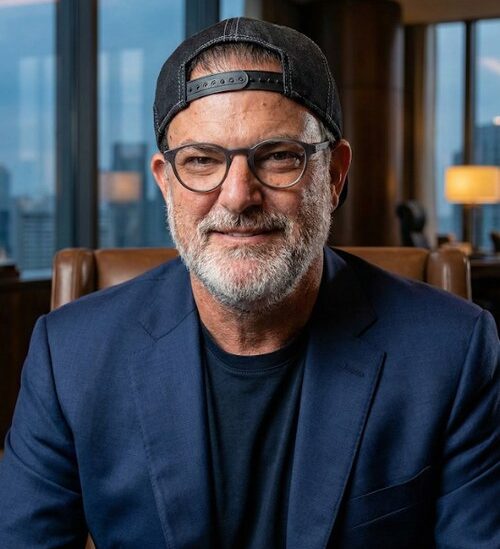
Brett Harris, founder and CEO of LuvBuds.PHOTO courtesy of LuvBuds
Still, not everyone in the cannabis industry sees the ban as bad news.
“We believe intoxicating hemp products have taken business away from the regulated cannabis market, so this legislation could actually benefit many of our customers,” says Brett Harris, founder and CEO of LuvBuds, a national cannabis accessories distributor that works directly with dispensaries.
Licensed dispensaries have long complained that hemp sellers compete with them without carrying the same tax burden or testing requirements.
“Licensed operators have invested heavily in licenses, testing, security and compliance,” Harris says. “They have been competing with intoxicating products sold through channels that often carry substantially different requirements and costs. Their concern is whether the changes will create a more level playing field—and whether enforcement will follow.”
He says the uncertainty surrounding the ban is understandable.
“The business questions are practical: Where will consumer demand go? Will customers return to licensed dispensaries, or move to illicit sellers? How should stores prepare? There is a potential opportunity for regulated o