
A cannabis consumer may hesitate to buy a $25 grinder, then spend several hundred dollars on a second dab rig they’ve had their eye on. The difference is how much each purchase matters to that person.
The same shopper can want a basic glass pipe and a premium concentrate device. They may pay for craftsmanship or a particular brand in one category and see little reason to spend more in another.
After years of watching cannabis accessories sell across dispensaries, we’ve found that consumers decide where to splurge category by category. Retailers that understand those choices can build a better assortment and put less money into products their customers do not want.
That pattern is holding in 2026. Internal LuvBuds sales data shows steady demand for value-priced basics and more selective demand for premium electronics, while glass is producing some of our clients’ strongest gross margins. Price alone tells only part of the story.
Glass Serves Both Ends of the Market
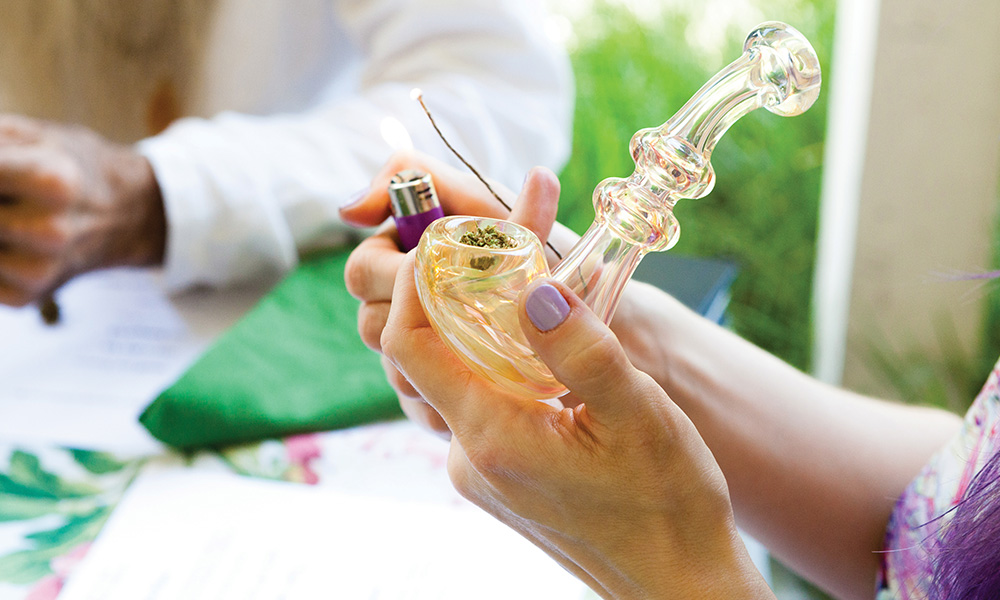
Glass ranges from simple hand pipes to more elaborate pieces like this bubbler.
Glass is a useful place to start. A shopper who needs a functional pipe can find one for around $5. Someone buying a water pipe for everyday use might spend $25 to $50. Enthusiasts can spend considerably more on pieces they value for their craftsmanship, design or collectability, though those high-end “heady” pieces are usually bought directly from a glassblower rather than at a dispensary.
That range gives retailers room to serve different needs within a single category. With the right sourcing, a modest retail price can still leave room for a healthy gross margin.
At the basic end, the purchase is easy to understand. A customer buying flower can add a pipe without much research or a lengthy explanation. Shoppers who want more elaborate glass can trade up because they appreciate what makes a particular piece worth more.
Grinders often behave similarly. New designs and features keep arriving, but a straightforward grinder at the right price continues to sell. Its job has not changed: It grinds flower.
A High Price Does Not Create Demand
Premium electronics require a different approach than other cannabis accessories. These devices can cost hundreds of dollars and last for years, so customers have less reason to replace them often. Simply putting an expensive device on the shelf does not give someone a reason to buy it.
Puffco is one example of a brand that can generate demand beyond the normal replacement cycle. In our business, we see customers respond to its limited-edition releases, distinctive colorways and brand loyalty. A shopper who wants a particular release may already own a device that works perfectly well.
That demand is specific. If the edition sells out, the customer may not buy the similarly priced device sitting next to it.
Retailers should be careful about reading one successful product as evidence that customers want more expensive accessor