Not long ago, the idea of magic mushrooms as medicine seemed laughable. Today, psychedelics are riding a cultural and scientific wave, much like cannabis did years before. Research at top universities, growing clinical trials and personal stories of healing have fueled what many now call a “psychedelic renaissance.”
Public perception has shifted at lightning speed. Stigma gave way to curiosity, taboo to tool, fear to fascination. A decade ago, cannabis had its own version of this moment. Once demonized, it’s now a normalized part of wellness culture. Psychedelics are following a similar trajectory, gaining legitimacy through science, changing laws and cultural momentum.
In Oregon, the first licensed service centers opened in 2023 where adults can legally access guided psilocybin sessions. Colorado followed, decriminalizing personal use and creating a regulated model for “natural medicine.” More states are lining up, and cities such as Oakland and Denver continue to drive decriminalization. Globally, Canada, the Netherlands, Spain and Jamaica are shaping markets through research, retreats and religious or therapeutic exemptions.
The lesson is clear: As cannabis proved, laws can shift when culture leads. Now psychedelics are positioned not as competitors to cannabis but rather complementary forces within a growing global wellness economy.
Cannabis created the blueprint. Grassroots advocacy, patient-driven medical research, innovative retail models and cultural normalization all paved the way for a once-taboo plant to go mainstream. Some of the pioneers who helped cannabis take root now channel that hard-won knowledge into psychedelics.
Field Trip Health, for example, operates ketamine-assisted therapy clinics across North America, and is preparing for psilocybin once legal. Their model borrows directly from dispensaries (safe, welcoming spaces where people can access medicine under professional guidance).
Big-name cannabis veterans including Bruce Linton, former CEO of Canopy Growth, invests in psychedelic firms—he serves as chairman of the advisory board for Netherlands-based Red Light Holland and sat on the board of New York-based MindMed until 2021. For executives who have already scaled cannabis companies, psychedelics represent the next frontier, with cannabis as proof of concept.
This cross-pollination accelerates growth. Cannabis brands bring regulatory know-how, cultivation expertise and consumer trust. Psychedelic startups, in turn, expand the palette of plant-based healing and connect with new audiences. It’s not competition—it’s cross-training.
What makes this renaissance so exciting is that psychedelic brands are building with cannabis lessons in mind—prioritizing authenticity, community and consumer education. From grassroots innovators to clinical labs, these companies echo cannabis’s core ethos of authenticity, safety and accessibility.
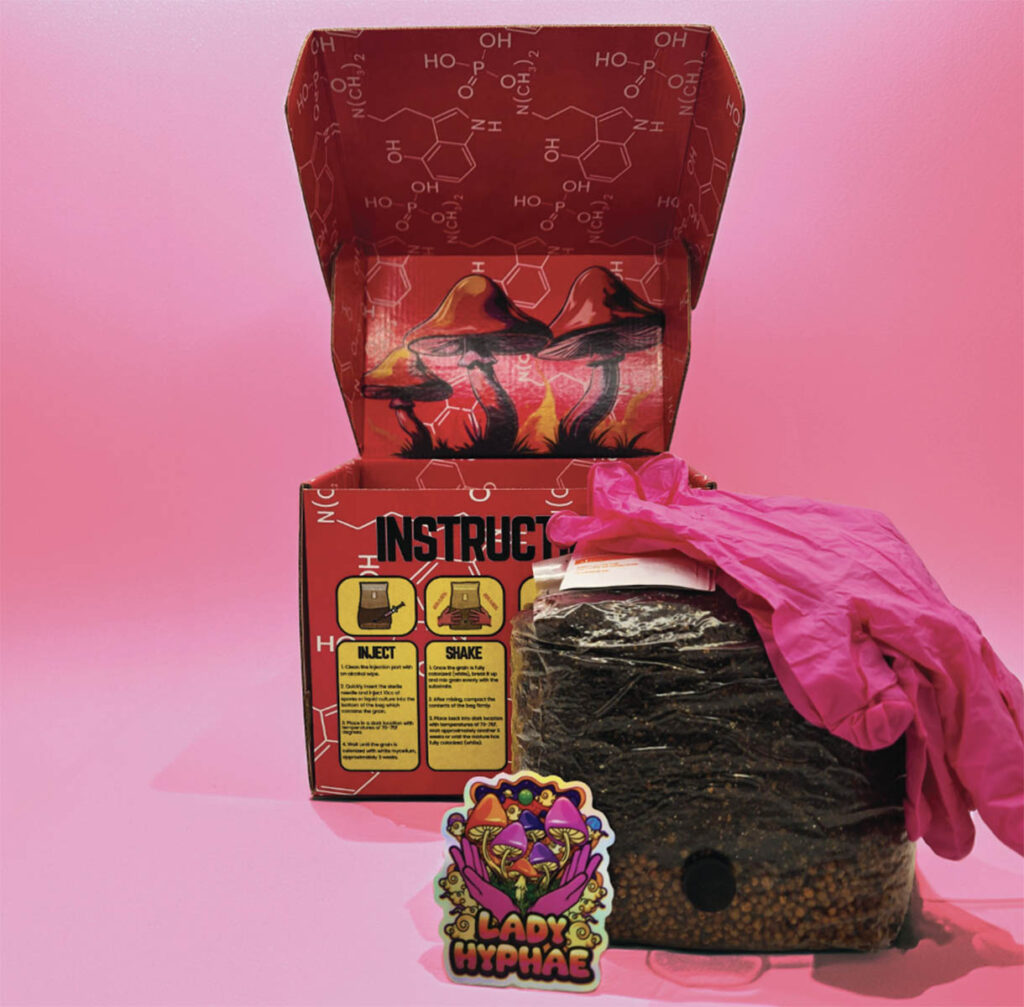
Take Lady Hyphae, a Denver-based grow-kit comp