For much of the last decade, Texas has occupied a contradictory place in the U.S. cannabis landscape. It maintains one of the nation’s most restrictive medical cannabis programs and enforces strict marijuana prohibition, yet quietly became a national powerhouse in hemp production after the 2018 Farm Bill. The result is a fragmented system defined by legal gray areas, regulatory tension, and growing distance between statute and reality.
That tension is now coming to a head.
From January 29–31, policymakers, prosecutors, scientists and public health experts will convene in front of a sold-out audience at the University of Texas at Austin for the Texas Cannabis Policy Conference. The timing is notable. Many observers view this moment as a turning point—not only for Texas, but also for other prohibition-era states struggling to reconcile outdated frameworks with modern market and public health realities.
Unlike trade expos or advocacy events, the conference is designed as a nonpartisan, policy-focused forum. The purpose is not to promote products, but to examine how cannabis policy functions and where it may be headed amid mounting regulatory and cultural pressure.
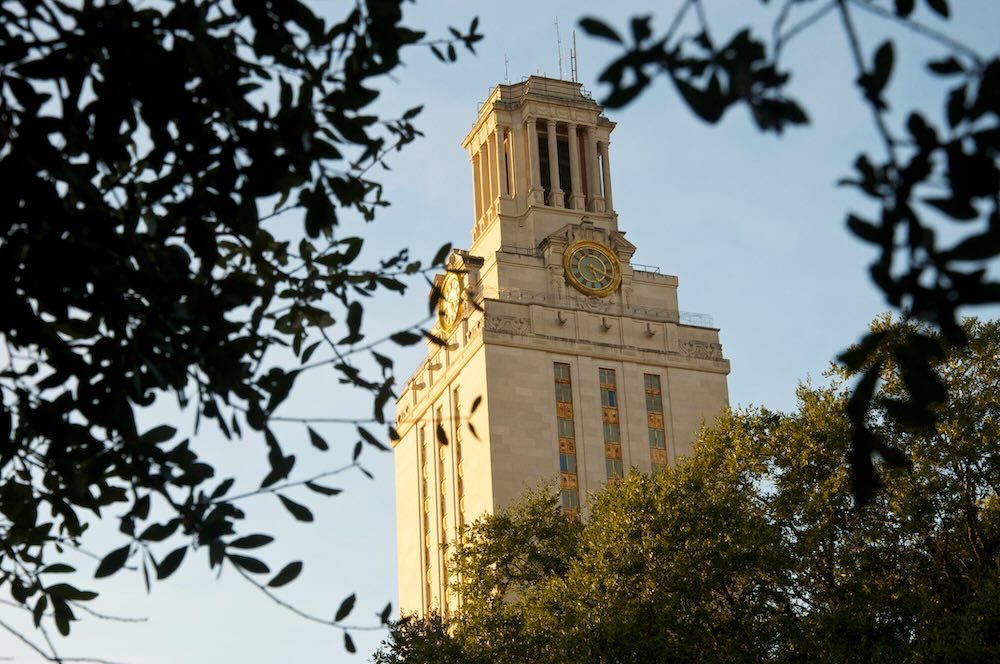
The University of Texas at Austin. PHOTO Dan Dennis
Why Texas Matters Right Now
Texas rarely moves first on cannabis. But when it does move, the consequences are outsized. With nearly 30 million residents and significant influence across the South and Midwest, Texas policy decisions tend to reverberate far beyond its borders.
Several forces are converging at once. A pending Texas Supreme Court case could significantly reshape how hemp-derived THC products are regulated and enforced statewide, particularly those that fall into legal gray areas under existing law. At the same time, the Texas Department of State Health Services is advancing major rulemaking for the Consumable Hemp Program, proposing expanded oversight, recall authority, enforcement mechanisms and new fee structures.
Supporters argue these changes are necessary to protect consumers and impose order on a chaotic marketplace. Critics counter that overly aggressive regulation risks destabilizing compliant businesses and driving consumers toward illicit markets, a familiar warning in cannabis policy nationwide.
Compounding these state-level developments is ongoing federal uncertainty. While hemp remains federally legal, shifting enforcement priorities and regulatory interpretations have created confusion across the country. For Texas, which built a massive hemp economy in just a few years, those shifts raise urgent questions about sustainability, public safety and economic risk.
Speakers from last year’s conference. PHOTO Texas Cannabis Policy Conference
A Rare Policy Cross-Section
What distinguishes the 2026 Texas Cannabis Policy Conference is the speaker lineup, which brings together voices that rarely intersect in