
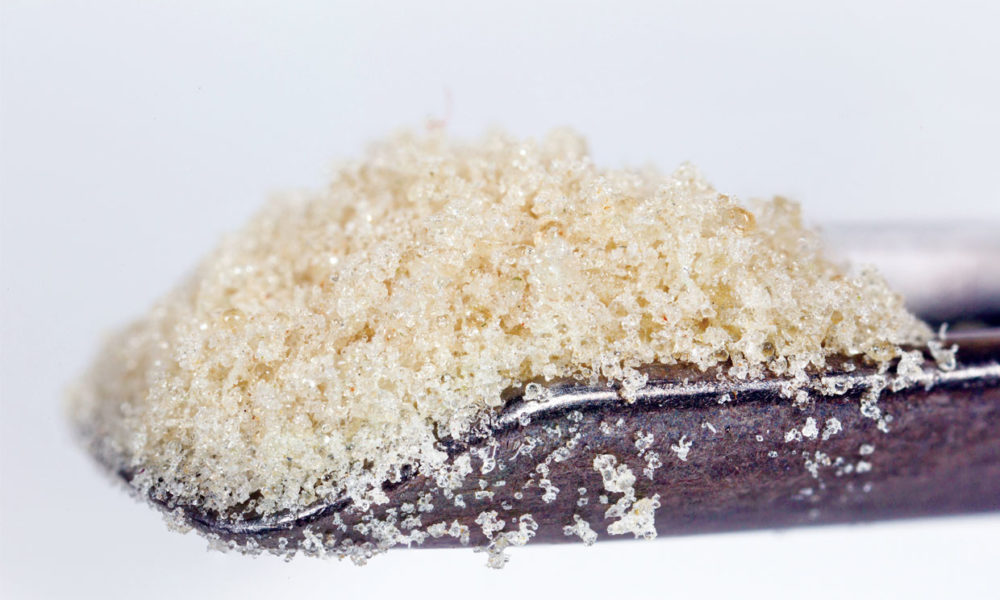
The ultimate goal of any extraction method is to separate the valuable cannabinoid-rich resin from the inert plant matter of the cannabis plant. One popular method for achieving this is through dry ice kief separation, where dry CO2 is used to freeze the resin glands on the plant, making them easy to shake loose from the foliage. These frozen glands then fall through a mesh sieve and are collected in a container below. This process is highly efficient and is commonly used for small-scale CO2 extraction.
It’s important to note that dry ice is actually solidified CO2 gas and must be kept in specialized freezers that are even colder than regular freezers. When not kept frozen, dry ice doesn’t melt like regular ice, but instead transforms directly from a solid to a gas. This unique property, along with its super-cold temperature, makes it ideal for CO2 separation. However, it’s important to handle dry ice with caution as it can cause frostbite on contact.
To begin the dry ice kief separation process, a few chunks of dry ice are placed into a container, such as a can. Then, about three times as much cannabis leaves and small buds are added to the container and mixed with the dry ice. It’s important to keep the cannabis as intact as possible, so it’s best not to grind it up beforehand.
Next, a Bubble Bag or similar mesh sieve with a 160-micron opening is placed over the opening of the container, with the sieve end secured tightly. The container is then shaken to break up the dry ice and freeze the cannabis. Once the mixture is supercooled, the container is turned upside down so the sieve is facing a large, flat mirror or smooth surface. The container is then shaken for a few seconds to up to 5 minutes, during which time white vapor will emerge as the CO2 sublimes and the resin glands slide through the sieve onto the mirror.
The quality of the final product, which is known as kief, is dependent on the quality of the original buds. Resinous buds will produce higher quality kief, while lower-quality leaves and buds will result in lower-quality kief. The final product can vary in grade, with the first few shakes typically yielding the highest quality kief. It’s also important to note that using smaller mesh sieves (120, 160, etc.) will result in less green matter passing through, while larger mesh sieves (200, 220, etc.) will allow more to pass through.
In conclusion, the dry ice kief separation process is an effective and efficient method for extracting the valuable resin glands from cannabis plants. With proper technique and the use of appropriate equipment, this method can yield high-quality kief from large quantities of leaf and small buds that may have otherwise gone to waste.