
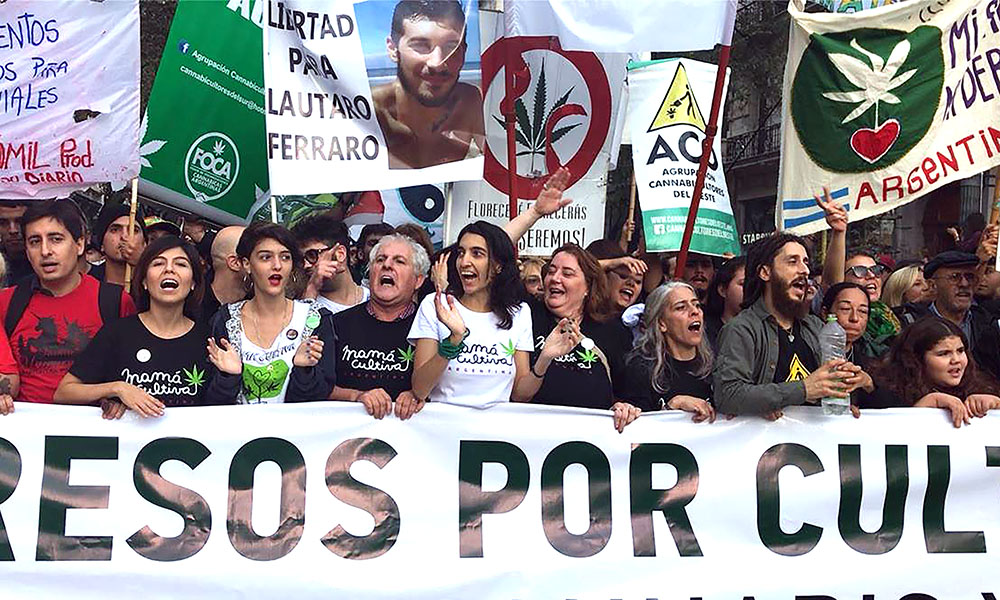
In recent years, several jurisdictions around the world have loosened their restrictions on cannabis, allowing for some level of legal activity by consumers, patients, and entrepreneurs. This is a significant shift from the era of cannabis prohibition, and it has created a more favorable environment for those who use cannabis for medical or recreational purposes. However, these freedoms were not achieved by chance; they are the result of tireless efforts by local cannabis activists. As the global cannabis industry continues to expand, it is crucial that activism efforts continue.
It is difficult to pinpoint the first official cannabis activism effort, but it is safe to say that many such efforts began immediately after jurisdictions enacted prohibition. From the very beginning, cannabis prohibition has been a harmful public policy, and sensible individuals with compassion and empathy have pushed back against it in various ways.
The first major victory for cannabis reform occurred in 1973 in Oregon when lawmakers approved a measure to decriminalize cannabis. This was the first time in nearly four decades in the United States that consumers were not at risk of facing jail time for possessing a personal amount of cannabis (one ounce). Instead, they were fined and faced no criminal charges.
Another significant victory came in 1996 in California when voters approved Proposition 215, making it the first state in the U.S. to legalize medical cannabis. This was a game-changer for suffering patients in California, who could now access their medicine without fear of penalty. This victory inspired other states and countries to enact their own medical cannabis policies.
In 2012, Colorado and Washington State both adopted measures to legalize adult-use cannabis on Election Day. The following year, Uruguay made history by becoming the first country to legalize adult-use cannabis at the national level. Since then, several other countries, including Canada, Malta, Luxembourg, Germany, South Africa, and the Czech Republic, have followed suit.
All of these victories were made possible by the hard work and dedication of passionate cannabis advocates. However, it is essential not to become complacent and take these newfound freedoms for granted. Just because progress has been made does not mean that there is no risk of policy regressions. A prime example of this can be seen in Thailand, where recent policy changes have threatened to roll back progress made in the cannabis industry.
In conclusion, the cannabis community must continue to advocate for sensible policies and not become complacent. The victories achieved so far are a testament to the power of activism, and it is crucial to continue pushing for progress in the global cannabis industry.